

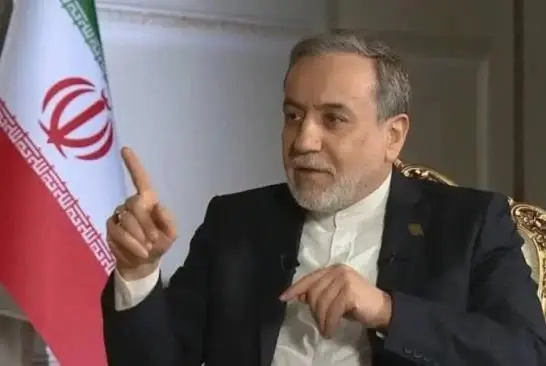
Iranian Foreign Minister Abbas Araghchi said in Tehran on October 25 that the Strait of Hormuz will no longer be managed as before, and that its passage routes will be reviewed with Oman. The remarks matter because the narrow waterway links the Persian Gulf to the open sea and sits at the centre of regional shipping and energy flows.
Tehran signals a review of Hormuz arrangements
Araghchi said wars in the region over the past year and a half had changed security conditions and marked a turning point. He said the strait’s management would be revisited under new conditions, with consultations with Oman continuing.
He did not spell out what changes would follow or when any new arrangements might take effect. But he said there were issues under discussion and that the talks would continue.
Iran links the strait to wider regional security
The Iranian minister said the Strait of Hormuz has remained open for decades and that neither Iran nor Oman, the two coastal states, had obstructed ship passage. He said both countries had instead protected security and the environment.
He also argued that regional countries should cooperate to protect their own security, and said the presence of the United States and other foreign powers had brought insecurity rather than stability. Araghchi said Iran was working with all the countries around the Persian Gulf on a shared approach to a new security structure.
That, he said, was the only way to restore peace and stability in the region. The Strait of Hormuz is one of the world’s most closely watched shipping lanes, and any change in how it is administered would carry significance well beyond Tehran and Muscat.
Indirect talks with Washington continue
Araghchi said that in indirect talks with the United States, Iran had pressed for the war to end on all fronts. He said the discussions had involved intermediaries including Pakistan and Qatar.
He added that, amid renewed talk of another war, he was focused on the period after the fighting rather than the fighting itself. A new attack on Iran, he said, would not produce a different result from previous wars.
Foreign Ministry spokesman Esmaeil Baghaei added a separate set of comments in an interview with Germany’s ARD television. He said Iran had not closed the door to diplomacy with Washington, but would not accept unilateral US demands.
Baghaei said messages were still being exchanged through mediators and that Iran was prepared for any scenario, including a possible attack. He blamed US and Israeli military activity for the security problems around the strait, and said a safe shipping route had been set under what he called the Islamabad understanding.
He also accused Washington of stepping back from its commitments. Neither Araghchi nor Baghaei gave details of any new timetable for the Hormuz review.
Comments
To comment, sign in or create an account. Sign in Create an account
No comments yet.