


Spain’s general election is scheduled for November 29, as parties use the final stretch of the campaign to press sharply different economic and political appeals. Their proposals include changes to social-security contributions for self-employed workers, stronger protection for pensions and calls for a stable parliamentary majority.
None of the three major proposals on contributions and pensions described in campaign coverage has been passed into law. The details — and, in some cases, the costs — remain unsettled, leaving voters with pledges rather than measures that would take effect immediately.
Debate and final campaign appeals
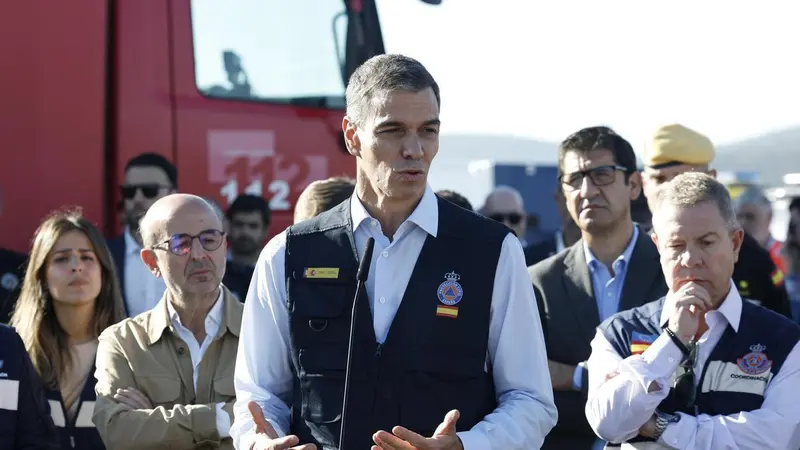
A four-way debate brought together PP leader Alberto Núñez Feijóo, PSOE candidate Pedro Sánchez, Ada Colau of Frente Amplio and Vox leader Abascal. The PP campaign team said its advantage remained intact after the debate and argued that it had weakened Sánchez in Colau’s favour without moving support between political blocs. That was the party’s assessment, not an election result.
Feijóo challenged Sánchez over housing, saying there had been 90 evictions a day under his government. In an interview with Bloomberg, Vox economic policy chief José María Figaredo said the party advocated cuts worth €112 billion to aid, subsidies and transfers to Spain’s autonomous communities. The source described that figure as half the total.
Former prime minister Mariano Rajoy campaigned for PP candidates at an event in Gran Canaria on November 26, attended by 700 people, according to the report. He called for a change of government and a stable parliamentary majority with a known programme, and argued that Parliament should exercise stronger oversight of the executive.
Frente Amplio, meanwhile, held its main campaign rally in Atarrabia, Navarre. The alliance called for left-wing unity and voter mobilisation to defend public services, pensions and the right to housing.
Different promises on contributions and pensions
Vox proposes eliminating social-security contributions for self-employed people whose income is below the minimum wage. For others, its programme proposes progressive monthly contributions starting at €50. The available account does not clarify how the zero-contribution plan would be funded or whether public budgets would cover the missing payments.
The PP’s programme focuses on active retirement, which allows people to draw part of their pension while continuing to work for themselves. The programme does not specify the share of pension payable or the requirements. The current system, according to the report, requires workers to have reached retirement age and completed their full contribution record.
The PSOE proposes protecting pensions, including annual increases, so they do not depend on which party is in government. Its programme does not say how those increases would be calculated.
What remains undecided
The three proposals are commitments in party programmes, not enacted policies; the report says none has published draft legislation or an economic assessment. Any change would need to pass through Congress and be published in Spain’s official gazette. The cost of Vox’s proposed lower contributions and the reach of the PP’s active-retirement plan are also unspecified.
Voters will decide on November 29. The sources do not report the result or turnout.


Comments
To comment, sign in or create an account. Sign in Create an account
No comments yet.