

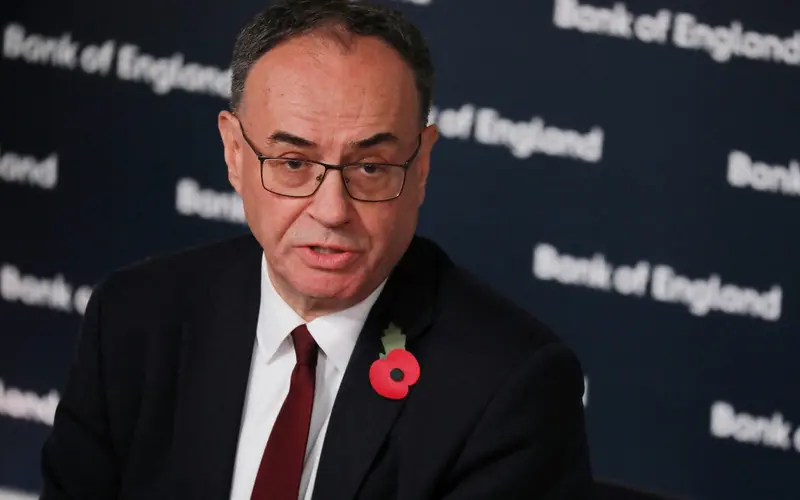
Some 6.5 million UK families could face higher monthly mortgage payments in the coming years, the Bank of England has warned. The average monthly increase is now estimated at £100, double the figure given in July.
The pressure will vary sharply. Around 430,000 households could see their payments rise by at least £500 a month before the end of the decade. More than one million families currently on mortgage rates below 3% are due to refinance before the end of 2027, with their payments expected to rise by nearly £200 a month on average.
The Bank raised interest rates to 4% earlier this month, the first increase in three years. Traders expect several more rises in the coming months.
Refinancing brings a sharper squeeze
The Bank’s Financial Stability Committee (FPC), which monitors risks to the financial system, warned that higher mortgage costs could worsen an economic downturn. It said sharp cuts in household spending or an increase in missed payments could deepen a downturn, while weakening employment could add to the pressure.
Separate research by Benham and Reeves illustrates the strain facing people remortgaging. Its example compares a five-year fixed mortgage costing about £733 a month five years ago with a payment of £1,039 for the same homebuyer remortgaging today — a rise of £306. When shown that example, 91% of homeowners surveyed said they could not comfortably absorb a similar increase.
Some 64% said they would consider switching to interest-only payments. The research estimated that this could bring the example payment down to about £670 a month, but the mortgage balance would not fall. Benham and Reeves said 14% of those open to interest-only payments had not considered how they would eventually repay the balance.
AI spending adds to financial concerns
The FPC also warned that the risk of a financial shock had intensified amid concerns about heavy spending on artificial intelligence. It said financing in the AI sector was becoming more complex, circular and opaque, increasing the chance that a shock could spread.
Recent stock-market volatility had been largely contained, the committee said. But a more severe shock could lead investors to sell assets such as government bonds to raise cash, potentially pushing up borrowing costs for the UK and other countries. The FPC also said higher interest rates and costs were reducing some households’ financial room to cope and adding to concerns about government debt.
Bank policymakers separately highlighted cyber-attack risks, saying a Microsoft glitch earlier this month showed how disruption at one company could have wider economic effects. The Bank’s regulatory arm, the Prudential Regulation Authority, is also due to consult on lower minimum requirements for domestic lending.


Comments
To comment, sign in or create an account. Sign in Create an account
No comments yet.