
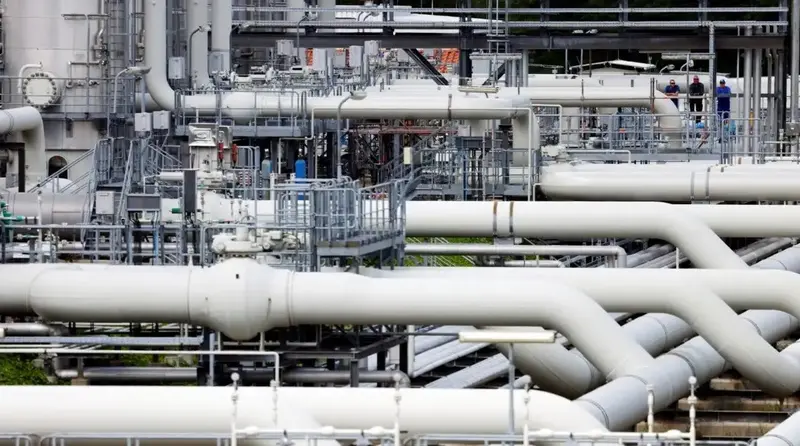
European governments are being urged to prepare for a potentially difficult winter as natural-gas reserves remain below last year’s level and uncertainty continues in international energy markets. The European Commission has asked member states to continue measures aimed at limiting demand for gas and electricity for as long as necessary.
According to a report by Greek outlet Best-TV, gas storage facilities across Europe are about 70% full, roughly 12 percentage points below the level recorded at the same time last year. The report put the TTF benchmark price at around €72 per megawatt-hour. The figures were not independently confirmed in the material available for this report.
Energy security remains a national concern
In Greece, energy security has become a central government issue as high prices have increased pressure on households and businesses. Athens has expanded its capacity to import liquefied natural gas, invested in energy interconnections and sought to strengthen its position as a regional energy hub.
Greek officials have argued that higher gas prices can feed into electricity generation and, through the integrated European power market, raise electricity costs again. The government has also said that periods of sharp price increases require a European response alongside national support measures.
Foreign Minister George Gerapetritis said Greece had achieved a significant degree of energy self-sufficiency, with renewable energy playing an important role. He also called for further diversification of energy sources and suppliers to avoid excessive dependence on any one country.
Berlin warns against restoring normal ties with Moscow
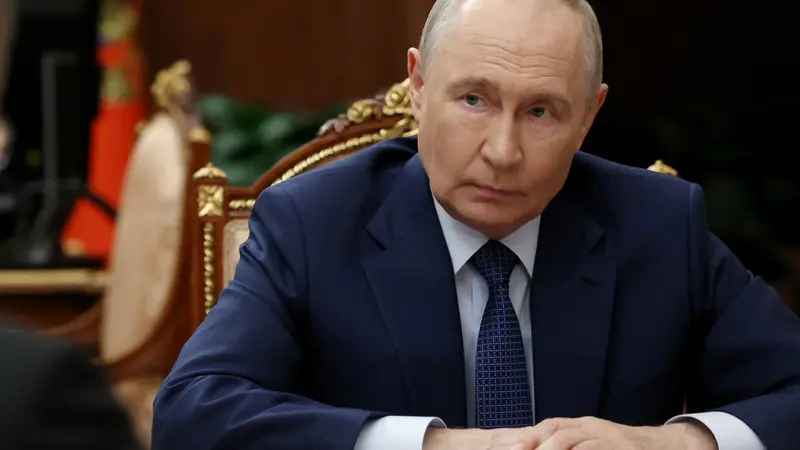
During a visit to Slovakia, German Foreign Minister Johann Wadephul said the greatest threat to Europe’s freedom came from Moscow and described the imperialism of Russian President Vladimir Putin as Europe’s main threat. He said that, against the background of Russia’s war against Ukraine and continuing hybrid activities, the time had not come to restore normal relations with Russia.
“If we agree that pressure on Russia must be increased, this must have tangible consequences for Moscow through sanctions and a further shift away from Russian energy,” Wadephul said, according to HNonline.sk. He added that support for Ukraine should be implemented by all those who support it.
Slovak Foreign Minister Juraj Blanár opposed the creation of an “iron curtain” between the European Union and Russia and said Slovakia supported peace efforts. He also said the country’s infrastructure had been built around Russian energy supplies and that diversification could not be achieved overnight.
Greek frigate deployed in the Red Sea
Gerapetritis said Greece’s merchant fleet accounts for more than 60% of the European merchant fleet and about 20% of the global fleet. He described Greek shipping as essential to energy security and said freedom and safety of navigation were central to Athens’ strategy.
Greece is participating in the EU’s Aspides operation in the Red Sea, where, according to the minister, a Greek frigate is helping protect shipping, particularly Greek vessels, from Houthi threats. He said the situation involved individual attacks rather than a wider conflict.
Gerapetritis said current conditions ruled out a Greek mission in the Persian Gulf or the Strait of Hormuz, which he described as blocked and effectively mined. He said freedom of navigation would be a priority during Greece’s presidency of the UN Security Council, beginning on October 1.

Comments
To comment, sign in or create an account. Sign in Create an account
No comments yet.