
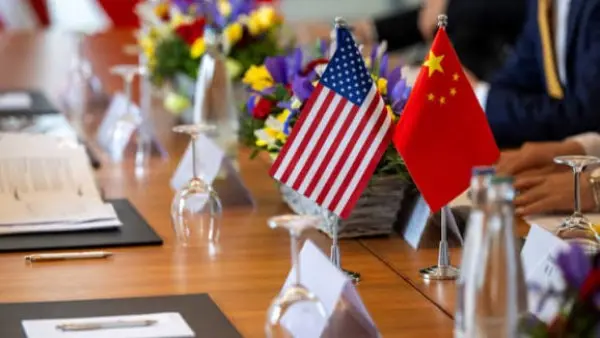
The United States and China have agreed on a reciprocal tariff framework covering approximately $30 billion of goods from each side, or about $60 billion in total, in a move aimed at improving market access and easing trade tensions. The arrangement followed Chinese President Xi Jinping’s three-day state visit to Washington from Sept. 23 to 25, 2026.
The framework focuses on non-sensitive goods. It does not automatically put new tariff reductions into effect: the countries’ representatives will examine approved product lists and implement any future cuts in line with their respective domestic laws and procedures. The exact size of the reductions and their implementation timetable have not been announced.
Product lists leave soybeans out
The lists cover goods with a comparable value in both directions. Their value was calculated using bilateral trade data from 2024. The U.S. list includes agricultural products, meat, seafood, grains, timber, cosmetics and medical equipment, while the Chinese list includes toys, small household appliances, tableware, bedding, decorations and other consumer products.
One U.S. list published by the White House included Chinese goods such as coffee makers, toasters, children’s bicycles, fireworks, artificial flowers, holiday decorations and child car seats. Toys were valued at $14.4 billion in U.S. imports from China in 2024, according to U.S. Census Bureau data cited in the reports; the figure was expected to fall to about $9.8 billion in 2025 amid higher tariffs.
Soybeans were not included in the relevant reduction list. The American Soybean Association said the product would remain subject to an additional 10% Chinese tariff and expressed disappointment. The association said removing the tariff could improve the competitiveness of U.S. soybeans and support purchases by private Chinese companies. Soybean futures fell sharply on the Chicago Board of Trade on Monday, according to the report.
Trade institutions and truce extension
The two governments also agreed to create a bilateral Board of Trade and a Board of Investment. The trade board will include an agricultural working group to address market access and regulatory issues. The board is intended to provide a permanent channel for discussing bilateral commerce and could later consider additional arrangements.
Under the framework, the delegations will monitor trade in the listed products and may propose changes or add categories. The agreement says such changes are not expected more than once a year, although the representatives may review further additions if appropriate.
The existing trade truce was extended by two months. Its scheduled expiration was moved from Nov. 10, 2026, to Jan. 10, 2027, giving Washington and Beijing more time to address outstanding economic and trade issues and work toward a broader agreement.
AI dialogue and crisis communication
The countries agreed to begin a bilateral dialogue on artificial intelligence, covering the technology’s risks and benefits. China’s Foreign Ministry said the next round of discussions is planned for November and that the sides would establish a communication channel for AI-related incidents.
The two governments also agreed to sign a memorandum aimed at strengthening military crisis communication and prevention. Separately, the supplied reports said the two leaders agreed to support each other in hosting meetings of Asia-Pacific Economic Cooperation and Group of 20 leaders, although the tariff framework remains the central economic result described in the announcements.
Comments
To comment, sign in or create an account. Sign in Create an account
No comments yet.