

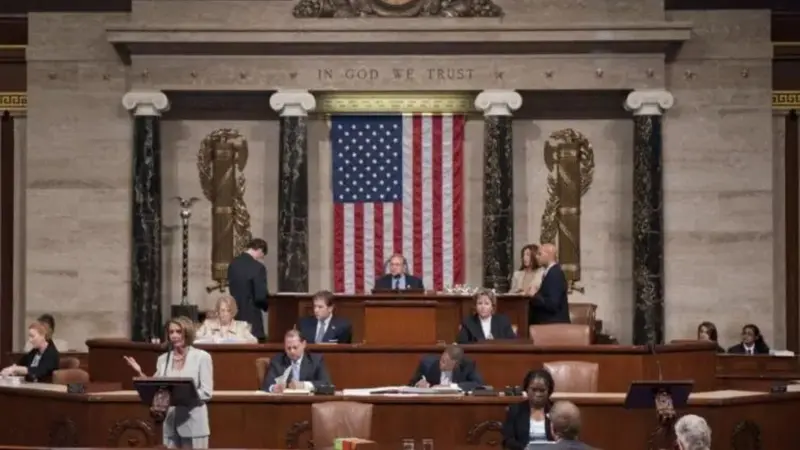
About 210 million Americans are voting on November 3, 2026, in midterm elections that will decide all 435 seats in the House of Representatives, 35 Senate seats and governorships in 36 states. A change in control of either chamber could make it harder for President Donald Trump to advance his agenda during the final two years of his term.
Polls point to a possible shift, not a result
Republicans entered Election Day controlling both chambers of Congress. The election will determine whether that arrangement continues, while voters also choose state legislators and local officials.
Pre-election polling cited by ND Mais pointed to Democrats gaining at least one chamber. An average of polls cited by Nitro News Brasil put Democrats ahead of Republicans in voting intention, 51.5% to 43.1%. Those figures describe the pre-election picture, not the outcome of the races.
The stakes extend beyond party labels. A Democratic majority in either chamber would give the party more power to shape what Congress considers and to scrutinise the administration. Losing one or both chambers would make it harder for Trump to advance legislation, according to ND Mais and Nitro News Brasil.
What control of each chamber means
A Democratic-controlled House could decide which proposals reach votes, lead committees and hold hearings. House committees can request documents and summon officials, giving the majority tools to investigate the administration. The House can also approve impeachment charges by a simple majority.
The Senate has a different role: it confirms presidential nominees for senior posts, ambassadorships and federal courts, including the Supreme Court. A Democratic majority could make those confirmations harder for Trump and set the chamber’s legislative agenda. But control would not guarantee that Democrats could pass every bill: many measures need 60 votes to overcome a filibuster, a tactic that prolongs debate and can block a vote.
Impeachment would also not automatically remove a president. The House can approve charges, but removal requires conviction by two-thirds of the Senate.
Governors are also on the ballot
Alongside the federal races, 36 states are electing governors. Republicans currently govern 26 states and Democrats 24, and the contests include races in which Trump has endorsed Republican candidates.
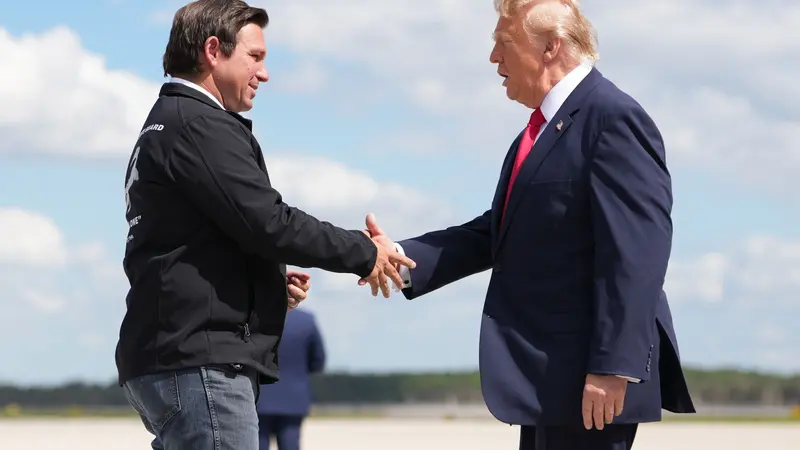
In Ohio, Republican Vivek Ramaswamy faces Democrat Amy Acton with Trump’s backing. In Florida, Byron Donalds is seeking to succeed term-limited Governor Ron DeSantis, with support from both DeSantis and Trump. In Georgia, Keish Lance Bottoms faces Trump-endorsed Rick Jackson; in Texas, Greg Abbott is seeking re-election against Gina Hinojosa.
More than 50 million people had voted early by the Friday before Election Day, about 10 million more than at the same point in the 2022 midterms, according to the University of Florida’s Election Lab. The newly elected Congress is scheduled to take office on January 3, 2027.


Comments
To comment, sign in or create an account. Sign in Create an account
No comments yet.