
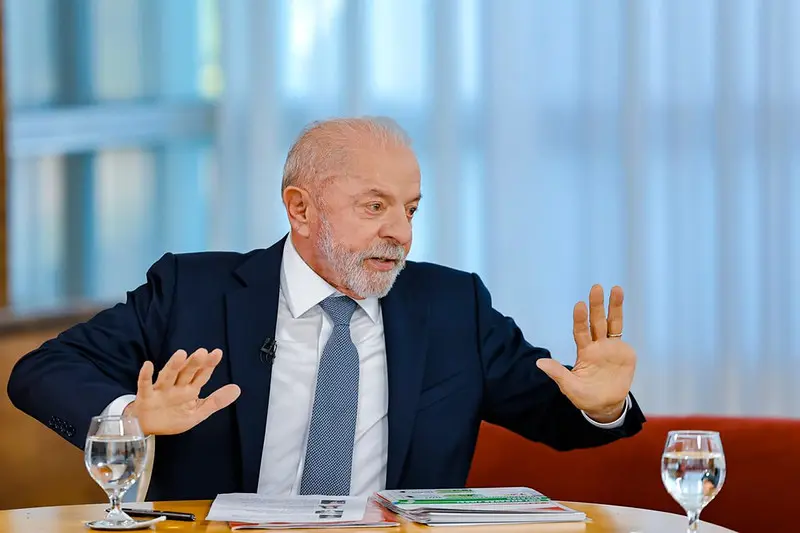
Brazil’s presidential campaign entered its final days with President Luiz Inácio Lula da Silva and Senator Flávio Bolsonaro at the center of disputes over debt relief, betting and religion. The first-round vote is scheduled for Oct. 4.
On Sept. 29, Lula’s government announced and extended eight notices for renegotiating federal tax and non-tax debts. The measures cover individual microentrepreneurs, private individuals, rural producers, employers and former research scholarship holders.
Debt measures announced before the vote
The government also introduced Desenrola Brasil 3.0. Under the program, up to 15 billion reais has been reserved for the federal government to acquire debt portfolios belonging to individuals who owe up to 10,000 reais, with a minimum discount of 90%.
A separate scheme for individual microentrepreneurs covers debts of up to 8,105 reais. Participants must make a 5% down payment and may pay the remainder over as many as 55 months, with a 50% discount. Other programs offer terms for rural producers, employers and former scholarship recipients from Capes and CNPq.
The announcements came alongside a measure banning fixed-odds betting lotteries, commonly known as bets, across Brazil. ND Mais reported the ban as part of the government’s response to indebtedness. Correio da Manhã argued that the decision could anger football supporters and damage Lula’s position, but did not provide polling evidence for that assessment.
Religious controversy remains in the campaign
A separate dispute has focused on Nossa Senhora Aparecida, Brazil’s patron saint. A report released on Sept. 28 by the Monitor do Debate Público, based on six WhatsApp focus groups, said the episode had contributed little to changing voter perceptions less than a week before the election.
Flávio Bolsonaro’s campaign said the controversy was fake news created by the Workers’ Party and alleged that the Brazilian Bishops’ Conference, known as CNBB, had supported it. The CNBB denied involvement, saying that attributing participation in the production or dissemination of disinformation without facts or evidence unfairly harmed the institution.
Lula addressed the issue at a campaign event in Belém, saying: “While I am president of the Republic, nobody will disrespect Nossa Senhora Aparecida.” The report found that the explanation promoted by Flávio was fully accepted only by committed or moderate Bolsonaro supporters. Other groups in the study rejected the senator, although their reasons differed.
Uncertain effect on the race
The available reports do not establish how the debt programs, betting ban or religious dispute will affect the result. The campaign is taking place as voters prepare to choose between Lula and Flávio Bolsonaro, but the sources provide no comparable national polling figures.
Comments
To comment, sign in or create an account. Sign in Create an account
No comments yet.