

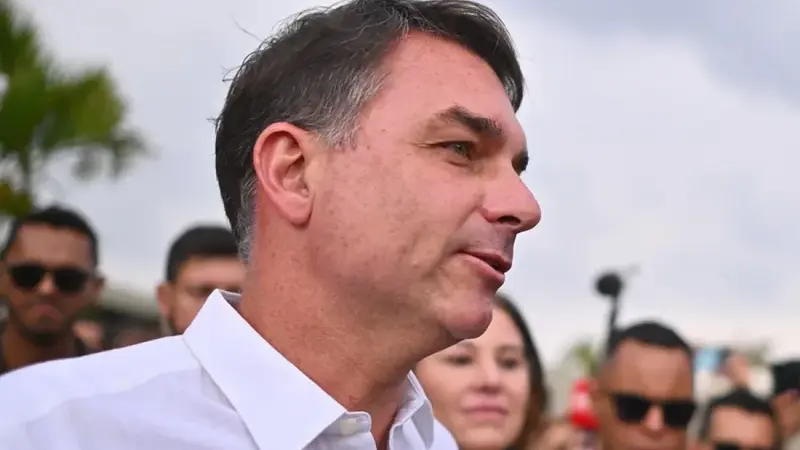
Flávio Bolsonaro told supporters in Vitória, the capital of Brazil’s Espírito Santo state, that he would deliver the economic goal by the end of his term if elected. He asked them to demand results from him in four years. The presidential runoff is scheduled for October 25.
Economic pledge and criticism of Lula
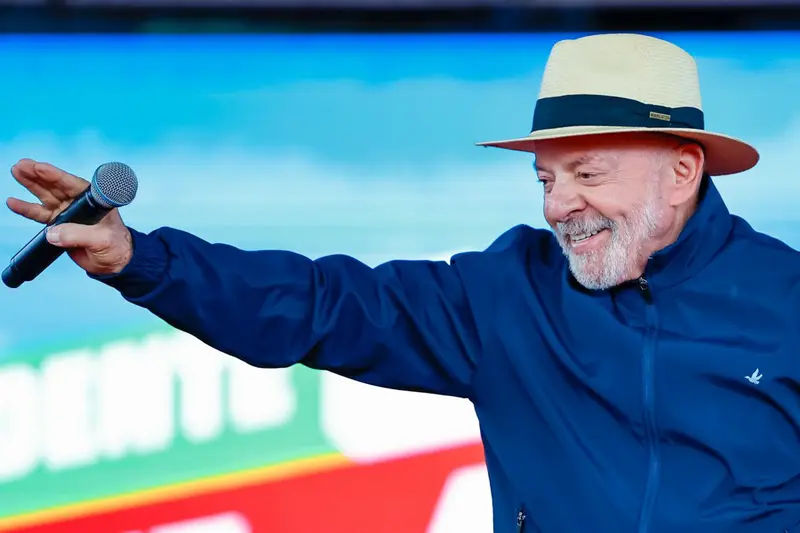
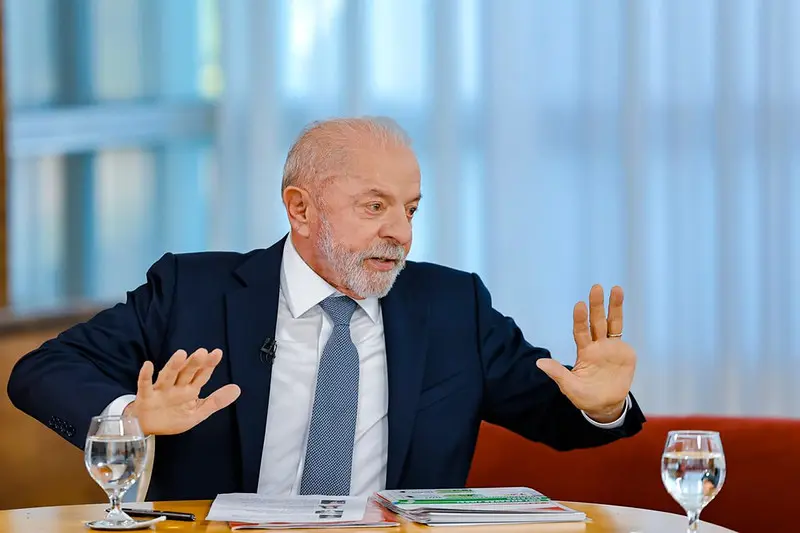
Bolsonaro promised to govern for all Brazilians, including people who did not support his candidacy. His pledge to place Brazil among the world’s seven largest economic powers came alongside criticism of President Luiz Inácio Lula da Silva’s record.
He said Lula’s administration had seen record numbers of murders and assaults against women, as well as business closures. He also said Brazilians had suffered a loss of dignity. According to the EFE news agency’s account, he offered no concrete measures at the rally to address those problems.
Supporters gather under heavy security
Thousands of supporters attended the event, which took place under tight security. Snipers were positioned in buildings along the route. Bolsonaro wore a bulletproof vest beneath a shirt featuring the green and yellow of Brazil’s flag.
The senator also defended the political legacy of his father, former President Jair Bolsonaro. He described his father as the best president in Brazil’s history.
After Vitória, Bolsonaro was due to travel to Salvador, the capital of Bahia state in northeastern Brazil. He planned to seek broader support in a city described by EFE as one of Lula’s main political strongholds.
Bolsonaro won 47% of the vote in the first round, against Lula’s 45%, according to EFE.
Poll finds high intention to vote
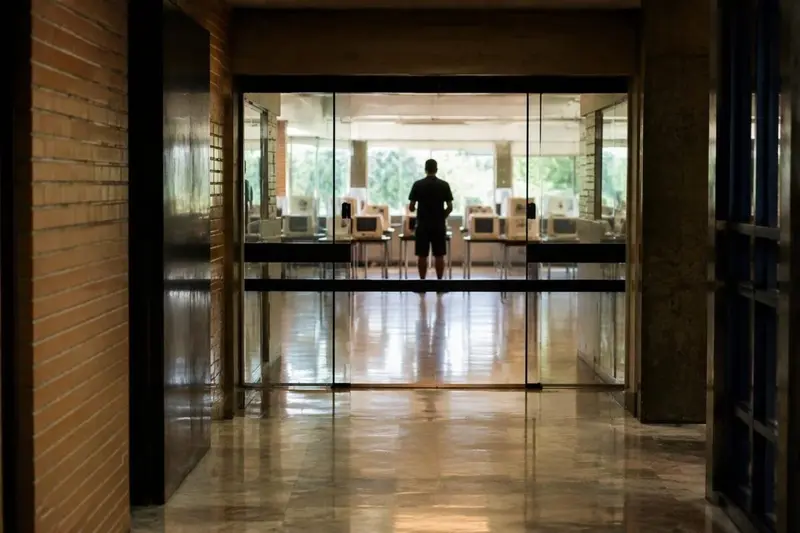
A separate Datafolha survey found that 96% of Brazilian voters intended to go to the polls. Another 1% said they would not attend, while 3% were undecided.
Among declared supporters of each candidate, 98% intended to vote and 2% remained undecided about attending. Among people choosing blank or invalid ballots, or rejecting both candidates, 63% intended to attend. In that group, 23% did not intend to vote and 13% were undecided.
The survey, commissioned by the newspaper Folha de S.Paulo, involved 2,520 face-to-face interviews nationwide on October 13–14. It had a maximum margin of error of two percentage points at a 95% confidence level.
Comments
To comment, sign in or create an account. Sign in Create an account
No comments yet.