

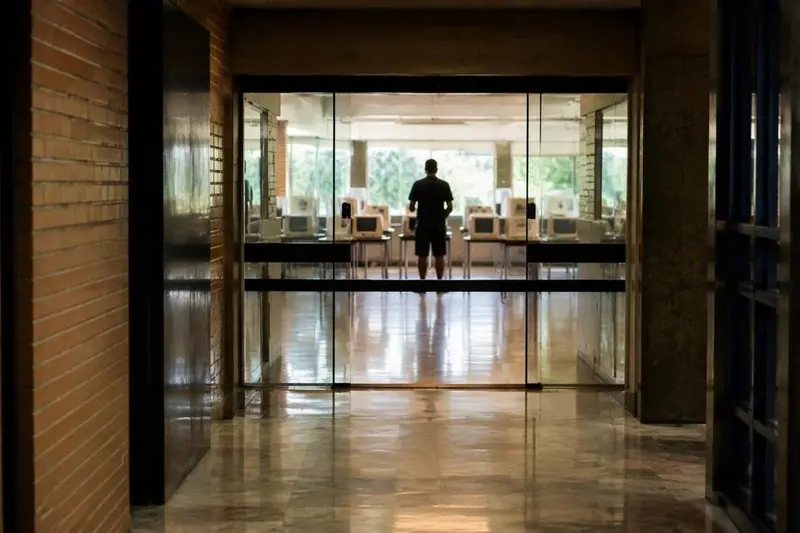
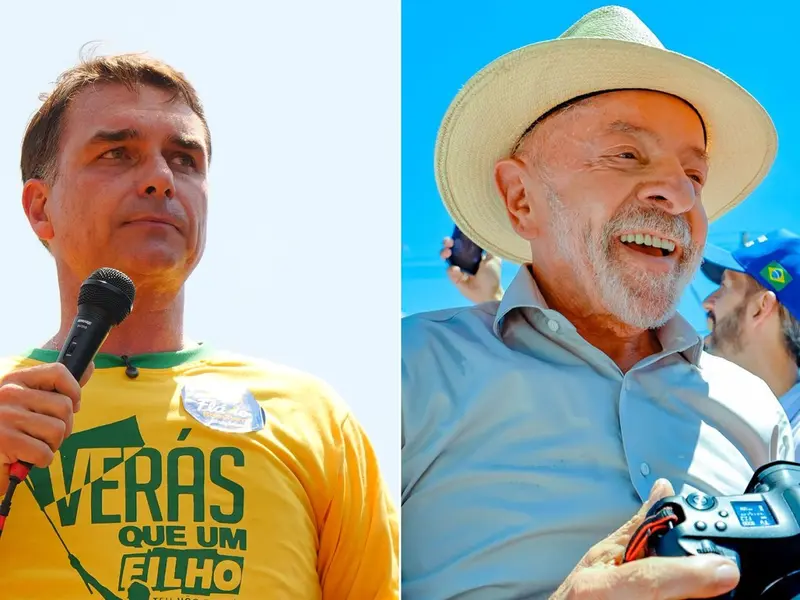
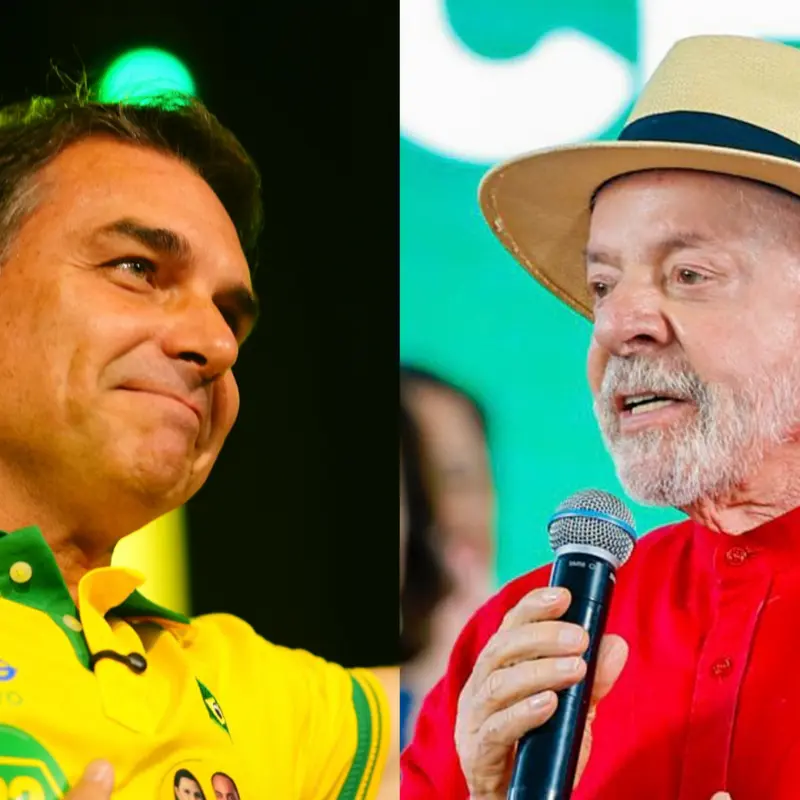
Brazil’s presidential election will go to a second round between incumbent Luiz Inácio Lula da Silva and Senator Flávio Bolsonaro. Brazilian news outlet UOL reported that the electoral authority confirmed the October 25 runoff following the October 4 vote.
Bolsonaro led Lula in the partial count, but neither reached the majority needed for an outright victory. Analysts said the contest could affect Brazil’s international alliances and Argentina’s standing in Latin America.
Bolsonaro leads the partial count
With more than 90% of ballots counted, Bolsonaro had 48.03% of valid votes and Lula had 43.99%, UOL reported. Valid votes exclude blank and invalid ballots.
Reported vote shares varied across different or unspecified stages of counting. The final first-round totals were not yet available.
The polling institute Datafolha projected a second round between the two candidates. UOL said Brazil’s Superior Electoral Court, known by its Portuguese initials TSE, confirmed that projection.
Lula seeks a fourth term
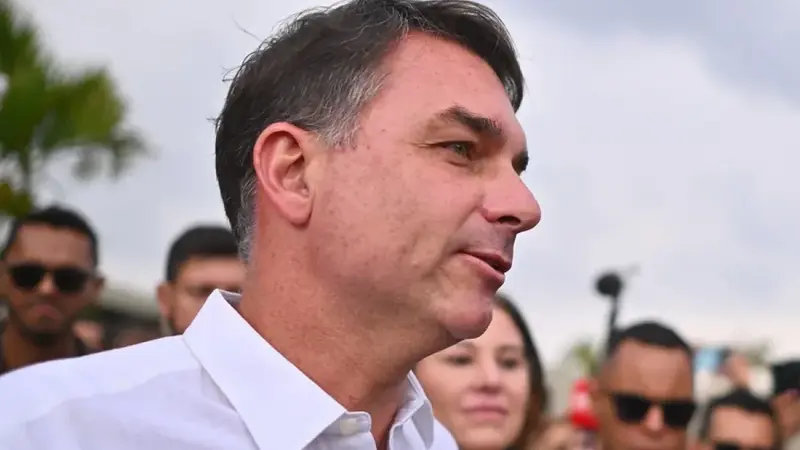
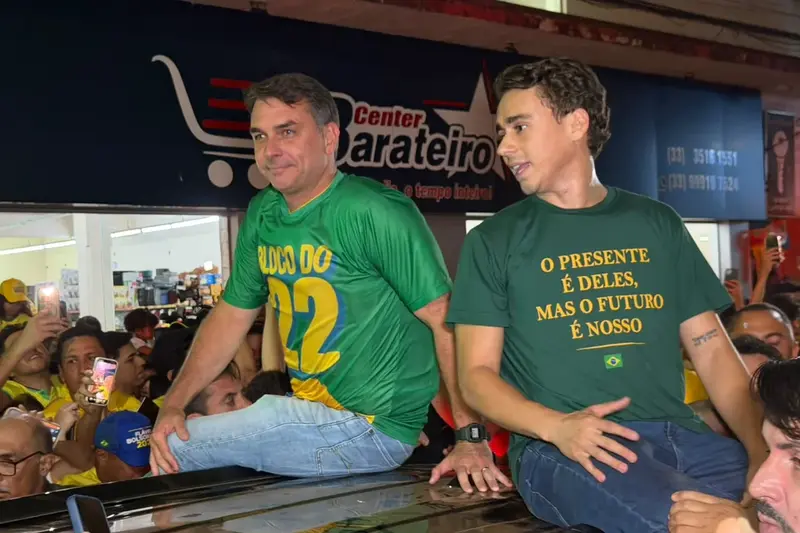
Lula, 80, is running for the Workers’ Party, or PT, and seeks a fourth, non-consecutive presidential term. Bolsonaro, 45, represents the Liberal Party, or PL, and is making his first bid for the presidency. He is the son of former president Jair Bolsonaro.
The election extended beyond the presidency. The TSE made 158.7 million voters eligible for the first round, according to electoral authority figures reported by a Spanish-language news outlet.
Voters also elected governors in 27 states, all 513 federal deputies and two-thirds of the Senate. They chose representatives for state legislative assemblies as well.
Analysts assess the regional stakes
Argentina’s president, Javier Milei, congratulated Flávio Bolsonaro on his performance. But political scientist Andrés Malamud said a Bolsonaro victory could weaken Milei’s regional standing.
International analyst Juan Gabriel Tokatlian agreed with that assessment, according to an Argentine news outlet. The analysts said a right-wing government in Brazil could leave Argentina in a secondary economic and regional role.
José Luis Fiori, a political scientist at the Federal University of Rio de Janeiro, described a broader foreign-policy choice. Speaking to the news outlet El Destape, he contrasted Bolsonaro’s alignment with the United States and Israel with Lula’s support for a world with multiple centres of power.
José Carlos Cardona, a former social development secretary, also said the election could affect Latin America’s international alignment. He linked the contest to competition between the United States and China. Brazilian voters will choose between the two candidates on October 25.
Comments
Comments are closed.