

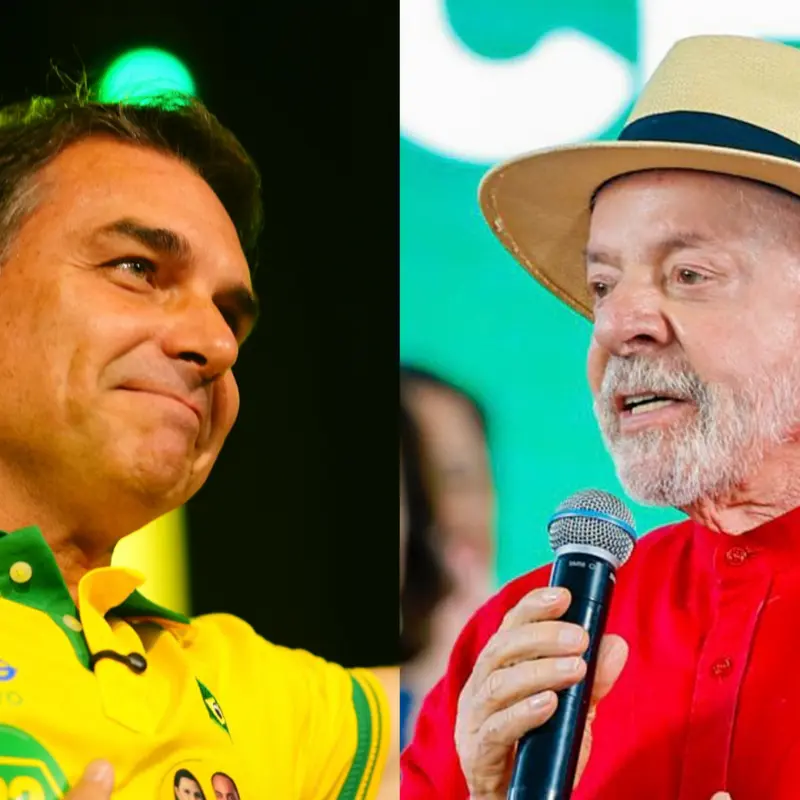
Brazilian markets ended the week under pressure after Luiz Inácio Lula da Silva secured re-election in the runoff against Senator Flávio Bolsonaro, winning 51.79% of valid votes to Bolsonaro’s 48.21%. The Ibovespa, Brazil’s main stock index, closed Friday at 167,921.80 points, down 0.75%, while the dollar ended around R$5.44.
The bigger move came over the week as a whole. The Ibovespa fell 18.12%, its worst week since March 2020, and lost 9.88% in October, its weakest month since June 2022. On October 26, the first trading day after the runoff, B3 halted trading for 30 minutes after the index fell 10% from the previous close.
Markets want fiscal signals
Investors have focused on the next government’s fiscal stance and economic team. Emerson Junior, head of foreign exchange and international accounts at Convexa Investimentos, said the currency jump reflected caution over uncertainty about both.
Finance minister Dario Durigan said the government will send Congress a bill committing it to target the centre of this year’s fiscal goal, set at 0.25% of GDP. That would mark a shift from the practice, criticised by markets, of aiming for the bottom of the target band.
The sell-off also brought foreign investors back into focus. B3 data showed net foreign selling of almost R$7.6 billion in the first three trading sessions of the week. A weaker real can raise costs for importers, travellers and companies that depend on foreign inputs.
Conflicting dollar tallies, same direction
Reports differed on how much the dollar gained over the week, but all pointed to a sharp jump. GP1 said the currency rose 9.15%, Metrópoles and BMC News put the increase at 9.04%, and The Rio Times reported a 9.31% gain over the five sessions since October 23.
The pressure was not only local. The S&P 500 fell 1.82% on Friday, and The Rio Times said a sell-off in US technology shares added to the strain on Brazilian assets.
What comes next
The next major checkpoint is the central bank’s Copom meeting on November 3 and 4, with the Selic at 13.75% before the decision. Investors will next watch for clearer fiscal and cabinet signals before the meeting.



Comments
To comment, sign in or create an account. Sign in Create an account
No comments yet.