

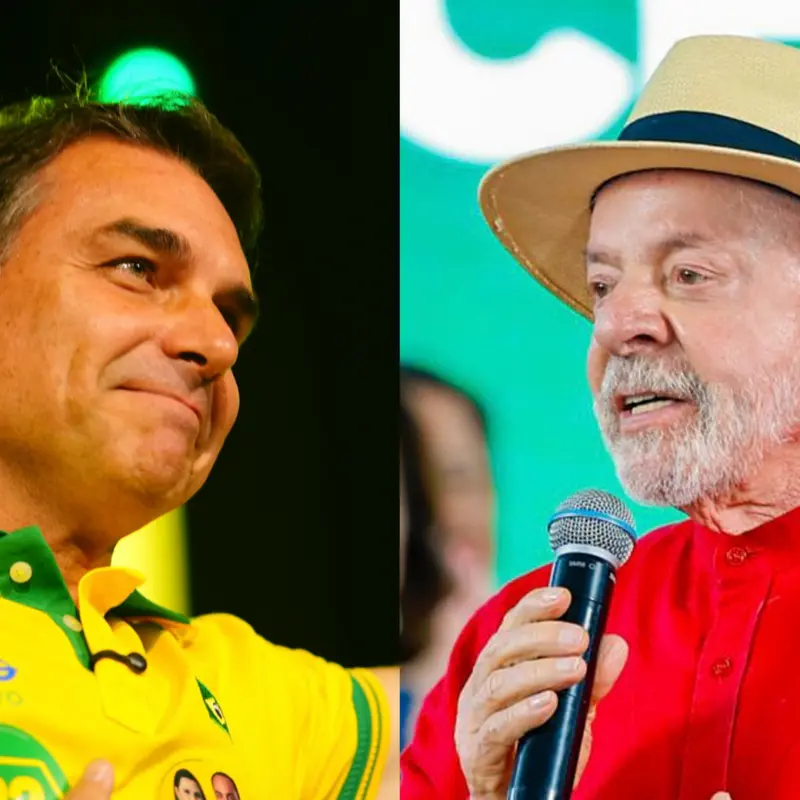
Voters still open to changing their choice could determine Brazil’s presidential runoff, Nexus chief executive Marcelo Tokarski said on October 13. Discussing a Nexus/BTG survey, he said the contest between Luiz Inácio Lula da Silva and Flávio Bolsonaro remained undecided despite an advantage for Bolsonaro.
Tokarski highlighted people who supported other candidates in the first round or cast blank or invalid ballots. Their choices could be influenced by debates, candidate interviews, street campaigning and candidates’ positions in the news, he said.
Firm support and high rejection
The survey found that 51% of voters would not vote for Lula under any circumstances. For Bolsonaro, that figure was 47%.
At the same time, 42% said Lula was the only candidate they would support. Another 43% said the same about Bolsonaro.
A further 7% said they could vote for either candidate but were not certain of their choice. Tokarski said that matched the share who reported they might change their vote before the runoff.
More voters in this flexible group currently supported Bolsonaro, Tokarski said, but their preferences could still change. The survey’s fieldwork dates, sample size and methodology were not provided.
Where first-round voters have moved
Candidates described as the “third way,” outside the Lula-Bolsonaro contest, received almost 8% of valid first-round votes. The Nexus/BTG survey tracked how their supporters intended to vote in the runoff.
Among those voters, 45% had moved to Bolsonaro and 32% to Lula. Another 19% chose blank or invalid ballots, while 3% remained undecided.
Tokarski said 16% of this group were not firmly committed to their choice. He said these voters would prefer not to support either finalist and tended to choose the candidate they considered less bad.
In a hypothetical scenario involving movement entirely toward Lula, Tokarski said the candidates could finish level at 46% each. He presented that as a possible outcome, not a forecast.
Why changing votes may be difficult
In a separate opinion column, Wilson Gomes argued that switching votes would be particularly difficult in this election. He cited rejection of the opposing candidate, attachment to political groups and accumulated hostility.
Gomes also argued that changing sides carried a psychological cost for voters who had invested heavily in their choice. Tokarski’s assessment nevertheless left room for movement: he said Bolsonaro’s advantage did not mean the election was decided.
Comments
To comment, sign in or create an account. Sign in Create an account
No comments yet.