

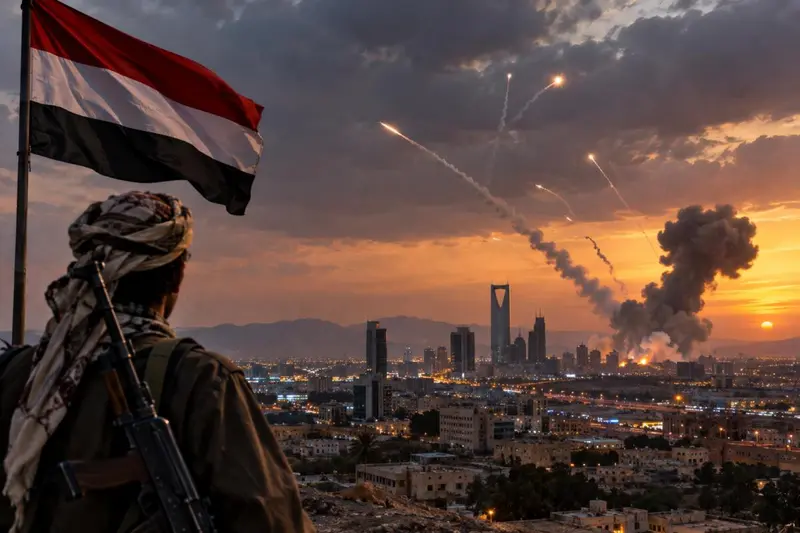
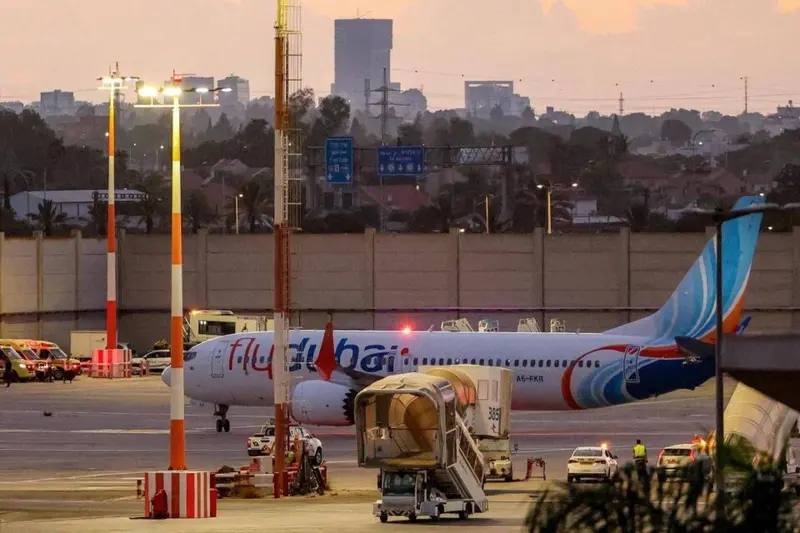
Houthi missile and drone attacks struck airports in Saudi Arabia in recent days, killing at least 14 people, Newsday reported on October 13. The attacks disrupted daily life, forcing schoolchildren to stay indoors and businesspeople to work from home.
The Saudi-led coalition said it intercepted three ballistic missiles heading toward Riyadh, the Saudi capital, and another city. Its spokesperson also reported intercepting three drones north of Riyadh. The exact dates and extent of damage from the main airport attacks remain unclear.
Houthis threaten airports and oil facilities
Houthi military spokesperson Yahya Saree threatened Riyadh airport, a refinery in the capital and Saudi Aramco headquarters in Dammam. He said a Saudi attack on Sana'a, Yemen's capital, would bring a severe response against Riyadh.
The Houthis also urged civilians and employees to leave facilities belonging to Saudi Aramco, the Saudi energy company. The movement described those facilities as legitimate targets.
The warning followed a coalition evacuation notice for a Yemen Petroleum Company facility in Al-Sabaha, on Sana'a's outskirts. The coalition issued the notice ahead of a possible military operation. It supports Yemen's internationally recognized government.
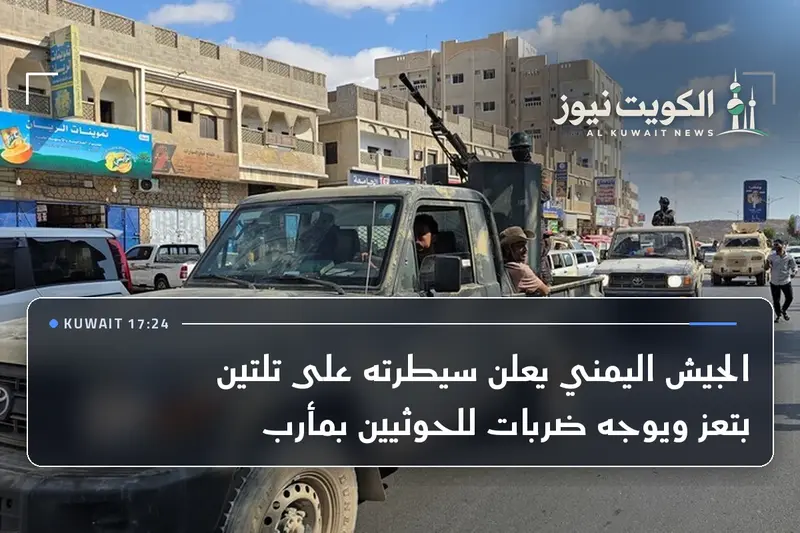
In Yemen's Taiz province, local authorities cited by media said Houthi attacks killed at least five civilians and wounded more than a dozen. A five-year-old girl was among those killed.
Saudi air defences face pressure
Saudi Arabia is running low on missiles used to intercept incoming attacks and has asked allies for help, regional officials told Newsday. The country must protect civilian, military and energy facilities scattered across a vast territory.
Saudi Arabia's 2026 budget allocated $83 billion to military spending. Earlier in the year, it reached a $9 billion deal with Washington for 730 Patriot air-defence missiles, Newsday reported.
The kingdom received 12% of all U.S. arms exports between 2021 and 2025, according to the Stockholm International Peace Research Institute. Its purchases include American combat aircraft, missile defences and advanced radar systems.
The threat also extends to oil export routes. Newsday reported that the Houthis and allied militias in Iraq had targeted Saudi oil installations, including a pipeline used to export oil through the Red Sea. The Houthis have also seized territory near Bab el-Mandeb, a key Red Sea waterway.
Travel warnings and possible outside support
The French Embassy in Riyadh advised French citizens against travel to Riyadh, Jeddah and Dammam except for compelling reasons. It also advised them to avoid the three cities' international airports.
U.S. President Donald Trump said he was considering whether American forces should join Saudi strikes against the Houthis. He had not announced a decision.
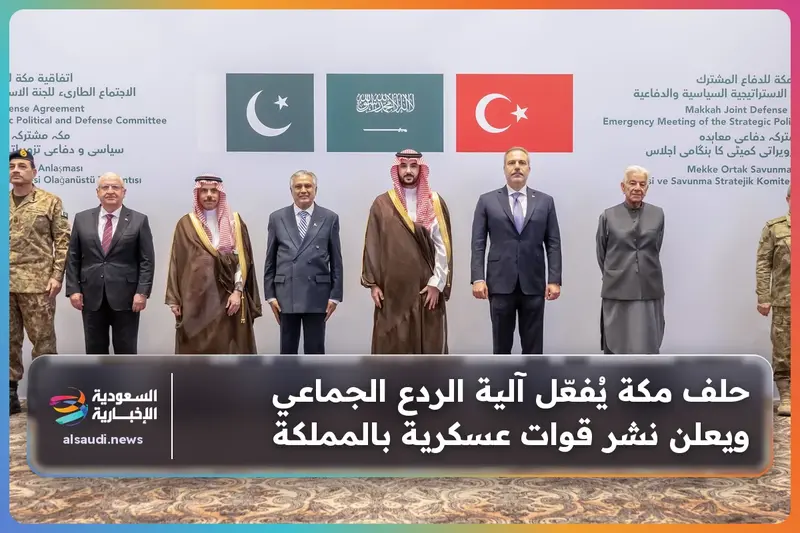
Saudi Arabia recently signed a joint defence pact with Pakistan and Turkey, Newsday reported. So far, both countries appeared to be staying largely on the sidelines or limiting their support.

Comments
To comment, sign in or create an account. Sign in Create an account
No comments yet.