

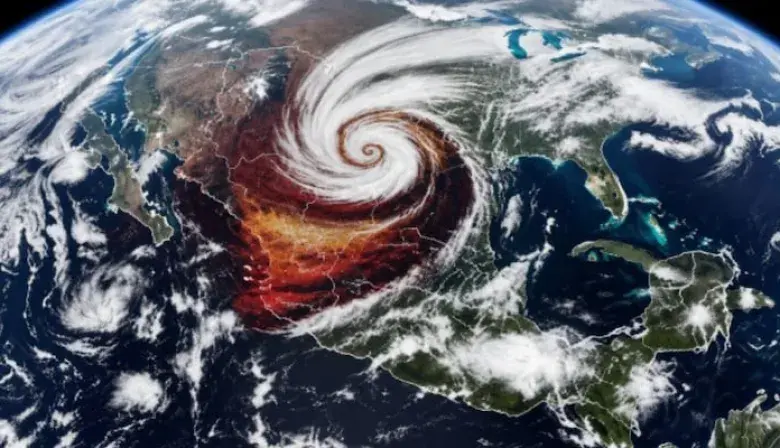
Pacific Ocean warming could extend El Niño’s effects into 2027, a Spanish-language radio report said on October 13. It described high sea-surface temperatures and risks of floods, droughts and fires across different regions. Changes in rainfall and temperatures could also affect agricultural production.
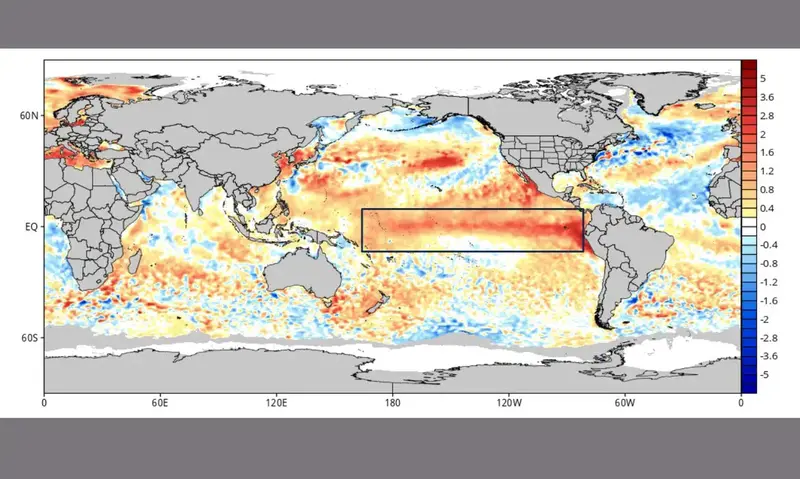
Pacific waters rise above long-term averages
Sea-surface temperatures in the central and eastern Pacific reached 3.1°C above the average of the previous three decades. Near Peru and Ecuador, the reported temperature anomaly reached 3.9°C. The timing of those measurements is unclear.
José Luis Camacho, spokesperson for Spain’s State Meteorological Agency, known as Aemet, described the values as exceptionally high. Ocean warming is associated with changes in weather patterns, but the consequences vary by region.
Weather risks differ across regions
El Niño can alter both rainfall and temperatures, increasing the risk of storms, flooding, droughts and fires. Predicting its effects in any particular territory remains difficult. The report listed droughts and fires in Indonesia and agricultural losses in India among impacts associated with the phenomenon.
It also cited recent rain, flooding and power cuts caused by Hurricane Polo on Mexico’s Baja California peninsula. Some areas of the United States were under watch for flood risk.
For Europe, forecasts point to temperatures above usual levels for the rest of 2026. Changes in precipitation are also possible. In Spain, Camacho said the atmospheric blocking that sustained heatwaves was weakening, allowing currents from the Atlantic to return.
A natural cycle on a warmer planet
El Niño is a natural phenomenon that can intensify climate extremes. It is distinct from global warming caused by human emissions. The report said there was no conclusive evidence that climate change had increased the frequency of El Niño episodes.
Warmer oceans can nevertheless raise the temperatures reached during each cycle. Copernicus anticipates the highest temperatures and temperature anomalies observed to date, reflecting the combination of an intense episode and a warmer planet.
The possibility of effects lasting into 2027 is an outlook rather than a confirmed duration. The report linked that possibility to Pacific warming and identified agriculture among the sectors exposed to changes in rainfall and temperature.



Comments
To comment, sign in or create an account. Sign in Create an account
No comments yet.