

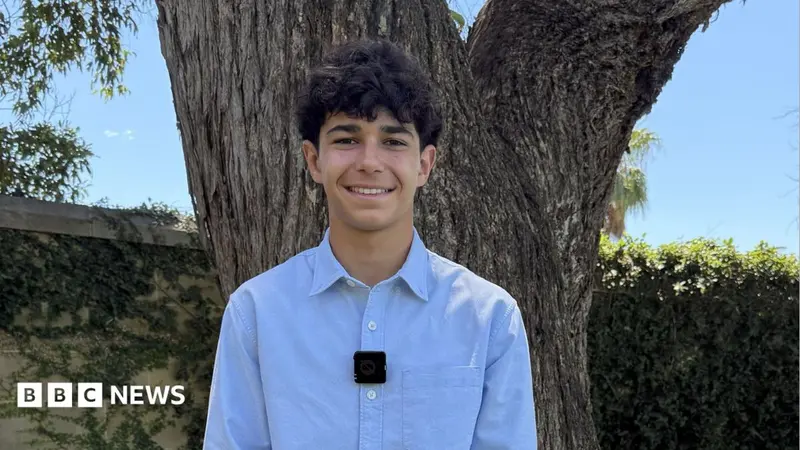
Australia’s High Court begins hearing challenges to the under-16 social media ban on Tuesday, putting the law’s constitutional footing under scrutiny. South Australia has joined the federal government in defending the measure, while the regulator has opened investigations but has not fined any company yet.
What the law requires
The national ban took effect on December 10, 2025, and applies to Facebook, Instagram, TikTok, YouTube, Reddit, Snapchat, X, Kick, Threads and Twitch. Those platforms must take “reasonable steps” to stop Australians under 16 from holding accounts.
The BBC says serious or repeated breaches can bring fines of up to A$99 million, while Glam Adelaide put the figure at more than $100 million without specifying a currency. WhatsApp, Roblox, Discord, YouTube Kids and Google Classroom are not covered by the law.
Why the case is in court
The Digital Freedom Project, a lobby group led by New South Wales parliamentarian John Ruddick, filed its constitutional challenge weeks before the ban started. It says the law strips children of their right to free communication.
Reddit has brought a separate challenge, arguing that the ban raises privacy and political-rights concerns and that the platform was wrongly included in the regime. Two teenagers who initially led the case, Noah Jones and Macy Neyland, have withdrawn as plaintiffs, although the BBC says Jones is still expected at Tuesday’s hearing.
Enforcement is already under way
In the first few days after the ban began, Meta said it had closed about half a million accounts. The eSafety Commissioner, which is responsible for enforcing the ban, has since launched investigations into alleged non-compliance by Facebook, Instagram, Snapchat, TikTok and YouTube.
Even so, no company has been fined since the law came into force. The BBC said some children said they were booted off their accounts in the days before and when the ban started, while many others said they were able to get around age checks by uploading credit card details, photo IDs or selfies.
Why South Australia matters
South Australia has formally intervened in the case and says the law is needed to protect children from unregulated social media use. Premier Peter Malinauskas says the government wants to put children’s wellbeing ahead of the commercial interests of tech companies.
The state also played a role in shaping the national approach, including by commissioning former High Court Chief Justice Robert French to prepare model legislation. The hearing comes as children’s-rights expert Noam Peleg says the court must decide whether political communication rights extend to children and online platforms, and if so whether the ban is proportionate.
The Nightly said research in June suggested as many as 80% of under-16s were still using social media, underlining why the case matters beyond the courtroom.
Comments
To comment, sign in or create an account. Sign in Create an account
No comments yet.