

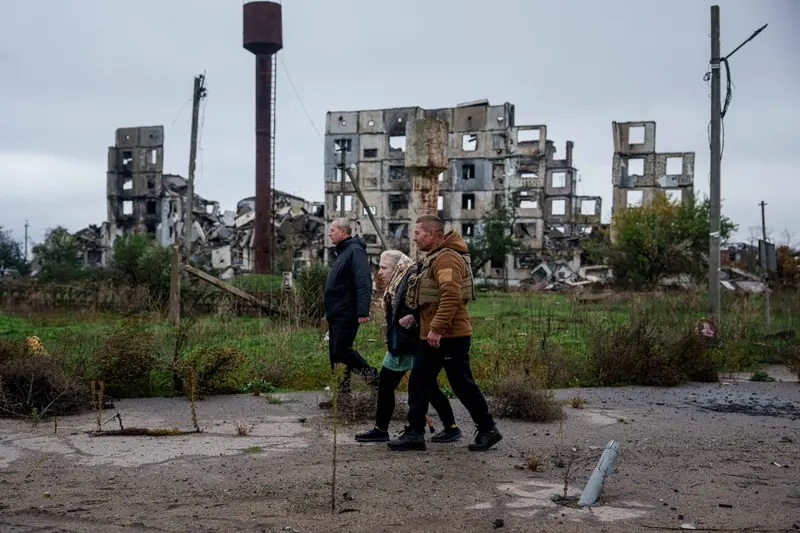
A six-day local ceasefire in Ukraine’s Kherson region expired on Sunday after allowing civilians to leave Russian-occupied Oleshky in a rare joint evacuation operation. The truce mattered because it briefly changed conditions for people trapped in a frontline city where access to food, water and medicine had been scarce.
Ukraine’s General Staff said 167 civilians were evacuated on Sunday from threatened areas of southern Kherson, including 22 children and 21 people with limited mobility who needed special assistance. The evacuation came after the truce had already enabled residents of Oleshky to leave, while exact numbers for those who stayed were not released for safety reasons.
What the truce changed on the ground
Officials said an estimated 2,000 civilians were in Oleshky when the temporary pause in fighting took hold. They were given a choice to evacuate to Ukrainian-controlled territory, move to Russian-controlled territory, or remain in the city with replenished food and medical supplies.
The ceasefire also allowed roads to be demined and supplies to be delivered, giving residents a brief reprieve in a place that has lived under Russian control since the opening days of the full-scale invasion in February 2022. In the days before the truce, residents had faced shortages of food, water and medicine.
The pause was described by Ukrainian and Russian officials as the longest local ceasefire since Russia’s invasion of Ukraine in 2022. Both sides said it held without violations, but there was no sign it would continue beyond Sunday night.
Who helped broker it
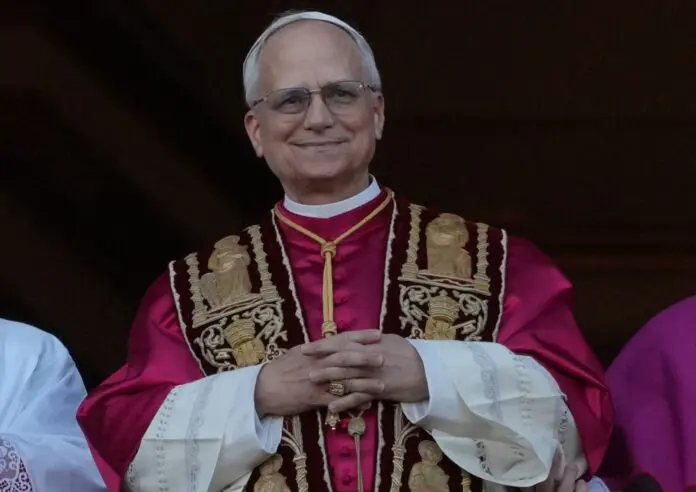
The White House said U.S. first lady Melania Trump helped broker the limited truce, which began early Tuesday. The ceasefire was also reached with the involvement of Pope Leo XIV, according to reports quoted by several outlets.
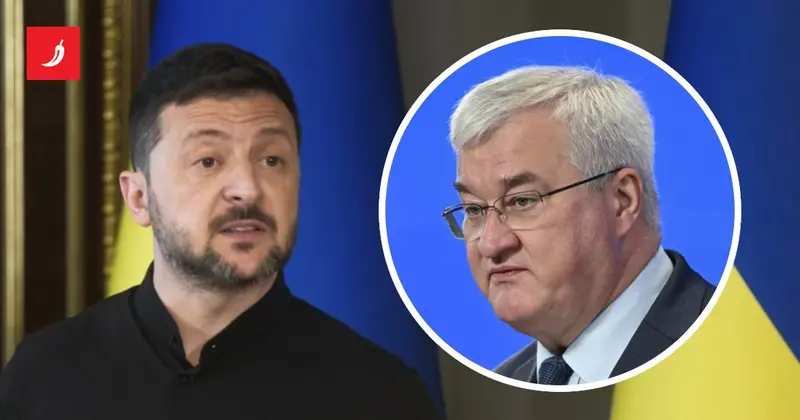
Kremlin spokesman Dmitry Peskov said Moscow viewed the Oleshky operation positively and also welcomed the coordination between the two countries’ human rights commissioners. A Ukrainian official, however, told AFP that Russia refused Kyiv’s proposal to extend the ceasefire after Ukraine’s foreign ministry raised the idea.
Why Kherson stayed on edge
Even as the truce expired, Kherson region governor Oleksandr Prokudin urged residents to stay alert and avoid the so-called red zones near the Dnipro River. He said the intensity of Russian strikes there remained high and the threat to life was extreme.
That warning matched the wider picture across Ukraine, where Moscow and Kyiv continued strikes elsewhere during the ceasefire. Ukrainian President Volodymyr Zelenskyy said Russia kept targeting energy systems before winter, leaving hundreds of thousands of households without power overnight.
The end of the Oleshky truce therefore marks less a ceasefire breakthrough than a narrow humanitarian pause that opened a short window for evacuation, supplies and movement. For residents who stayed, the return of fighting remains the immediate concern.
Comments
To comment, sign in or create an account. Sign in Create an account
No comments yet.