

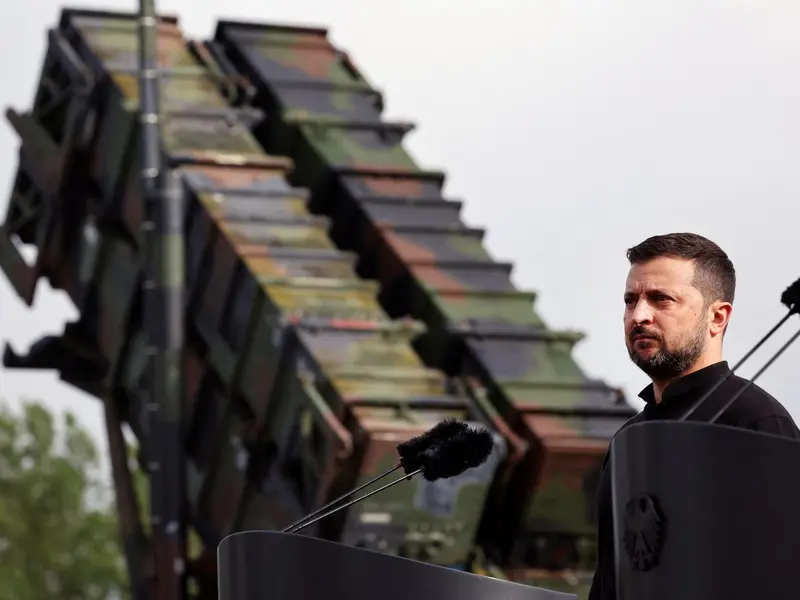
The US State Department has approved a possible sale of 500 Patriot PAC-3 interceptors to Ukraine, a package estimated at $2.1 billion that would strengthen Kyiv’s air defences but may not arrive for years. The decision matters because Ukraine says it urgently needs more missiles to counter Russian strikes on energy and civilian infrastructure.
Most accounts of the deal put the price at $2.1 billion, although one report described it as about €2 billion. The purchase will be financed through contributions from Canada, Germany and Norway under a US programme called JUMPSTART, along with national funds backed by the European Union’s Ukraine Support Loan.
What the package covers
The sale covers the PAC-3 MSE version of the Patriot interceptor, the most advanced version in service and one of the few weapons capable of engaging fast-moving ballistic missiles. Lockheed Martin is the principal contractor for the sale, and the State Department said no American funds will be used.
The approval is one of the most significant steps to supply defensive weapons to Kyiv since the start of Donald Trump’s second administration in January 2025. It also comes as Pentagon negotiators push defence contractors to speed up production, while the US military worries about inventories of key air-defence and precision-guided weapons after large deliveries to allies and heavy use in operations in Iran.
Zelenskyy presses for faster delivery
Volodymyr Zelenskyy, Ukraine’s president, welcomed the authorisation but pressed for faster delivery. He said Kyiv had been waiting for almost a month for Washington to approve critical missile supplies and warned that deliveries may not begin for years.
Zelenskyy said Ukraine has asked for a winter support package averaging 100 Patriot interceptors a month. He also proposed that the US, European partners and other allies draw on existing stockpiles for the winter of 2026-27, then refill them later through newly contracted production.
According to one report, the missiles have not yet been made and could arrive only a couple of years into the 2030s. That delay leaves Ukraine looking for ways to bridge Ukraine has proposed drawing on partner stockpiles to address its immediate need for interceptors.
Pressure from Russian strikes
Zelenskyy said Russia has stepped up attacks on Ukraine’s power grid, with more than 30 strikes on key energy infrastructure in the last two weeks of October. He said the targets include electricity, heating, water supplies and bridges, which Zelenskyy said Russia was targeting ahead of winter.
Ukraine has long said it needs more interceptors to stop the growing waves of Russian missiles. The new approval gives Kyiv another route to replenish a crucial system, but the value of the deal will depend on how quickly the missiles can be produced and delivered.

Comments
To comment, sign in or create an account. Sign in Create an account
No comments yet.