

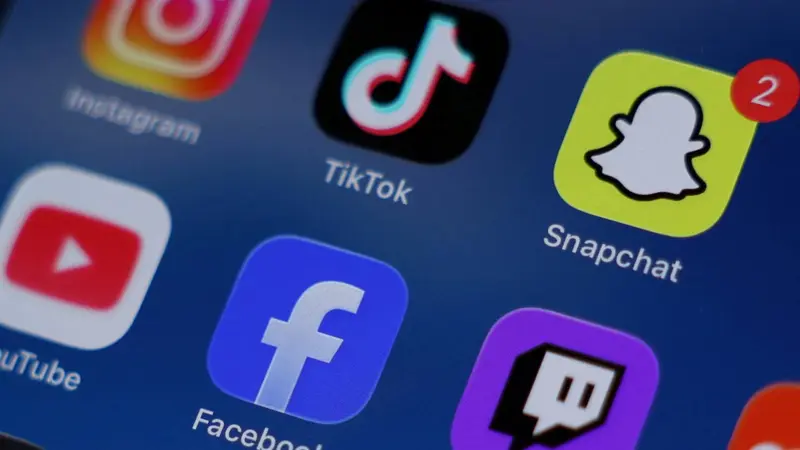
Snap Inc. settled the case on Monday; one report said jury selection had begun the previous week, while another said opening statements were still due two days later. The case was one of the test lawsuits meant to help determine how hundreds of similar claims may be resolved.
What the plaintiffs said
The plaintiffs, S.J., a 16-year-old girl from Illinois, and K.D.B., an 18-year-old from Mississippi, said they developed compulsive habits that contributed to depression, anxiety and eating disorders. One account says they began using YouTube as early as age 3 and the other platforms around age 9, while another says lawyers were expected to argue they first used the apps at 13 and 15.
The alleged design features included autoplay and infinite scroll. Those claims sit at the centre of a wave of lawsuits accusing social media companies of knowingly building products that keep children and teenagers scrolling for longer.
Why the settlement matters
Snap, Meta Platforms, TikTok and YouTube were all named in the case, but the other companies had already settled, leaving Snap as the final defendant. Snap said it had built safeguards, launched safety tutorials and worked with experts, and said it remained committed to strengthening the safety, privacy and well-being of its community.
The company has rejected the accusation that its platforms were designed to be addictive. Plaintiffs’ lawyers said the settlements let them keep pressing their broader effort to hold social media firms accountable for the harm they say has been done to children across the country.
The case mattered because it was selected from thousands of pending lawsuits as a bellwether, a trial meant to test the claims and help shape later settlements. The next bellwether trials are scheduled for March, according to the plaintiffs’ lawyers, and around 30 states have also filed their own lawsuits against the companies.
In an earlier Los Angeles bellwether case, a jury awarded a young woman $6 million US after finding Meta and YouTube at fault. In August, Meta reached a separate settlement with nearly every state and US territory worth up to $18 billion US, and part of that deal depended on states reaching similar settlements with Snap, TikTok and YouTube.
Snap chief executive Evan Spiegel had been expected to testify in the Los Angeles case, but the settlement removes that appearance too.

Comments
To comment, sign in or create an account. Sign in Create an account
No comments yet.