

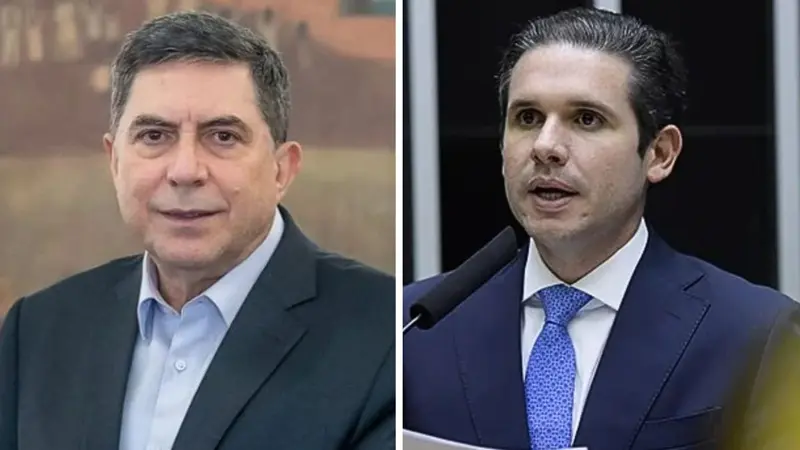
Luiz Carlos Trabuco Cappi, the chairman of Bradesco, has accepted President Luiz Inácio Lula da Silva’s invitation to become Brazil’s finance minister in 2027. The choice will put a veteran banking executive in charge of economic policy as the government faces pressure over public debt and fiscal plans.
Trabuco formalised his acceptance at a meeting with Lula at the Palácio da Alvorada, the president’s residence in Brasília, late on November 26. He will replace Dario Durigan, who has held the post since March 2026, after Fernando Haddad left the ministry.
A banking career moves into government
Trabuco, 75, has spent 58 years at Bradesco. He led the bank as chief executive from 2009 until March 2018 and now chairs its board. He also headed the Brazilian Federation of Banks, known as Febraban, from 2024 to 2026.
Febraban welcomed his selection, citing his knowledge of the economy and ability to foster dialogue. The group said it was ready to work with the government on macroeconomic stability and sustainable public finances.
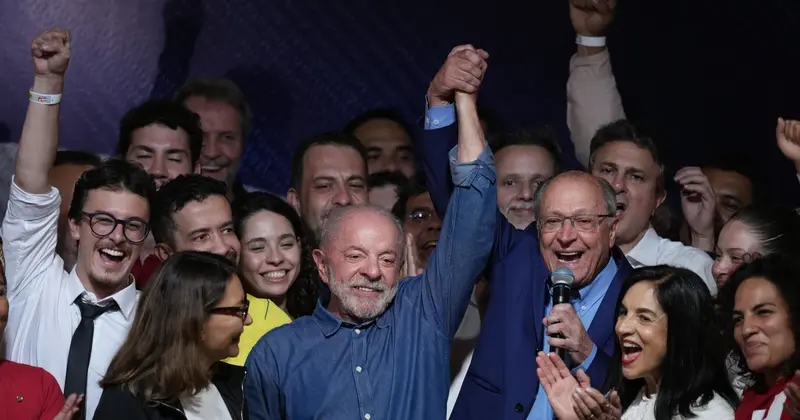
Senior lawmakers also expressed support. Chamber of Deputies president Hugo Motta said he was ready to work with Lula on an economic agenda focused on growth. Senate president Davi Alcolumbre said Congress would maintain regular dialogue with the ministry to build agreement on fiscal responsibility, growth and jobs. Vice President Geraldo Alckmin praised Trabuco’s preparation, experience and public spirit.
Fiscal pressure and market reaction
The appointment comes as Brazil debates how to control public debt while meeting Lula’s spending commitments. Public debt was reported at almost 83% of gross domestic product, about 11 percentage points higher than at the start of Lula’s current term in 2023.
The government announced fiscal measures on November 11 that it said were intended to save around 0.5% of GDP in 2027 and meet existing fiscal targets while preserving social spending. Lula has said he wants economic conditions that would allow the central bank to lower its policy rate, reported at 13.75%.
Appointment rumours coincided with a strong market move on November 26: Brazil’s Ibovespa stock index rose about 6%, while the real strengthened and the dollar fell. Economists polled by the central bank forecast 1% economic growth and 5% inflation in 2027, above the official 3% inflation target.
The challenge ahead
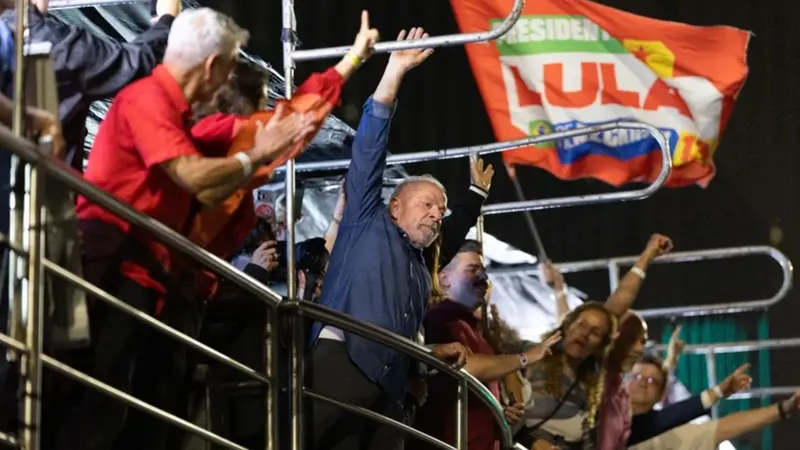
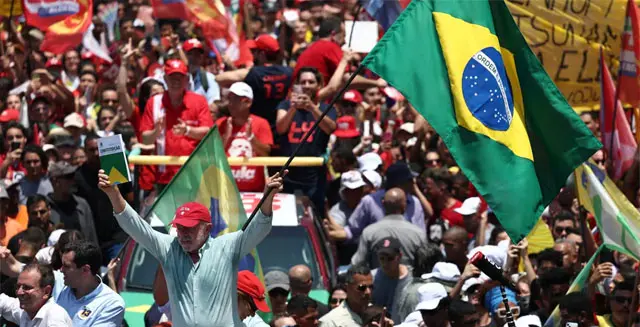
Economist Davi Lelis, a partner at Valor Investimentos, said Trabuco’s success would depend not only on his technical expertise but also on his ability to build support within the government and address possible resistance there and in the Workers’ Party. Lula won re-election in October, defeating Flávio Bolsonaro, and will begin a fourth presidential term in 2027.
The sources do not specify when Trabuco will formally take office or which economic measures he plans to pursue.

Comments
To comment, sign in or create an account. Sign in Create an account
No comments yet.