


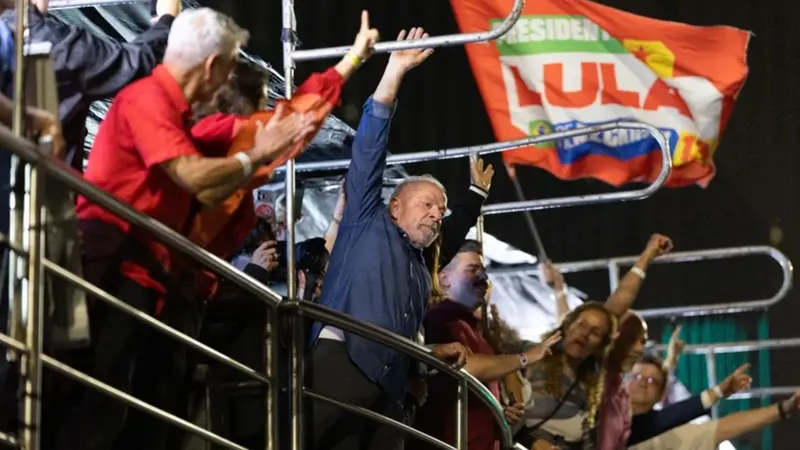
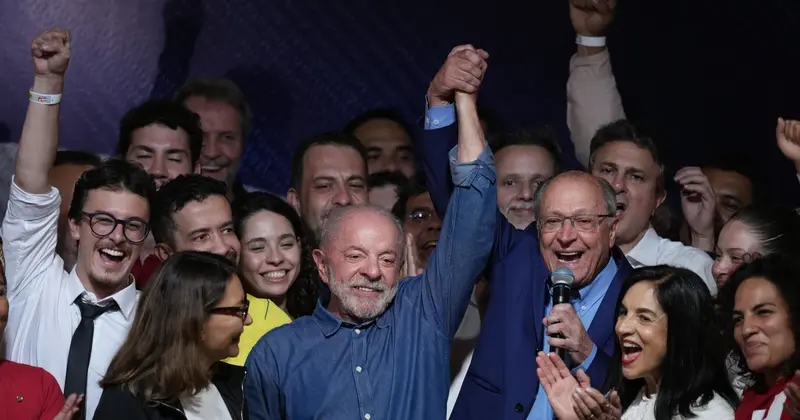
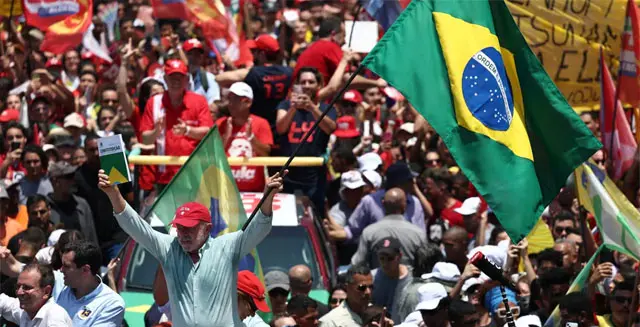
Luiz Inácio Lula da Silva was reelected president of Brazil on October 25, 2026, securing a historic fourth term. The result extends a comeback that has carried the Workers’ Party founder back to the top of Brazilian politics.
A comeback that started in the unions
Known as Lula, he built his political career as a metalworker and union leader. He helped found the Workers’ Party in 1980 and entered Congress in 1986.
He first won the presidency in 2002 with 61.3% in the runoff. He won again in 2006 with 61%, and left office on January 1, 2011, with a 90% approval rating.
The legal fights that cleared his path back
Lula’s return to the ballot came after years of corruption cases linked to Operation Car Wash, the graft probe centred on Petrobras, Brazil’s state-run oil company. He was convicted in 2017 and began serving a prison sentence in 2018.
He left prison in 2019 after Brazil’s Supreme Court ruled that defendants can remain free until all appeals are exhausted. In March 2021, a Brazilian court threw out his convictions, clearing him to run again.
He then defeated Jair Bolsonaro in the October 30, 2022 runoff and took office for a third time on January 1, 2023.
Why the win matters beyond Brazil
Raj Kumar Sharma, an associate professor of international relations at Suleyman Demirel University in Kazakhstan, said Lula’s return strengthens India’s push for reformed multilateralism and wider representation for developing countries.
Sharma said Brazil and India can use BRICS, the G20 and IBSA, the India-Brazil-South Africa forum, to coordinate on climate justice, development financing, food security and economic inequality.
During a February 2026 visit to India, Lula reiterated support for expanding the UN Security Council and backed India and Brazil’s aspirations for permanent membership. Talukdar said any progress would still depend on broader international consensus.
Comments
To comment, sign in or create an account. Sign in Create an account
No comments yet.