

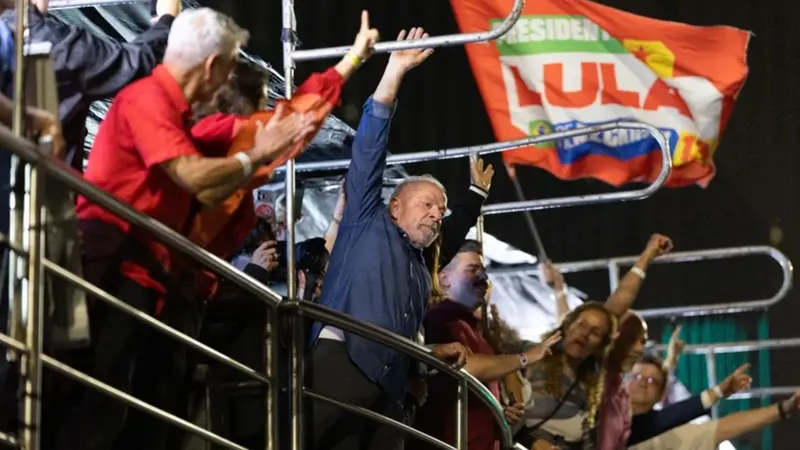
Luiz Inácio Lula da Silva used the day after his reelection in Brazil to turn a domestic win into a regional message. The Brazilian president thanked leaders in Ecuador, Cuba and Uruguay for their congratulations, while framing the result as a vote for democracy, multilateralism and closer Latin American cooperation.
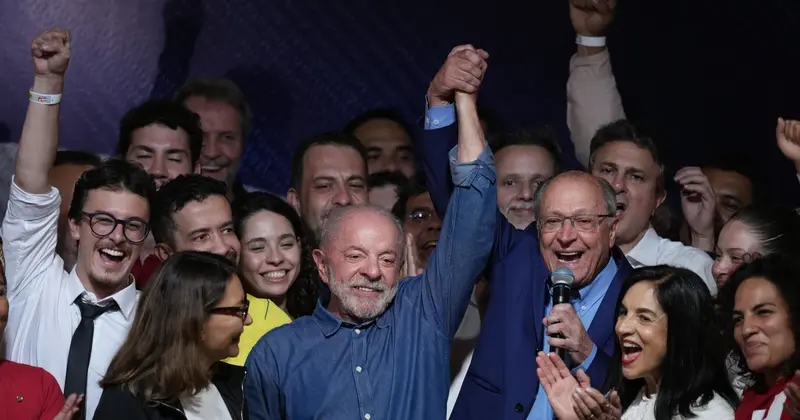
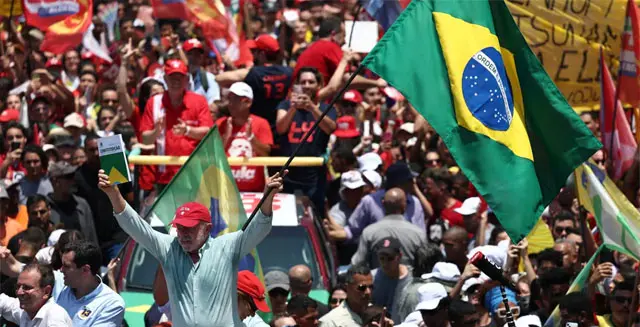
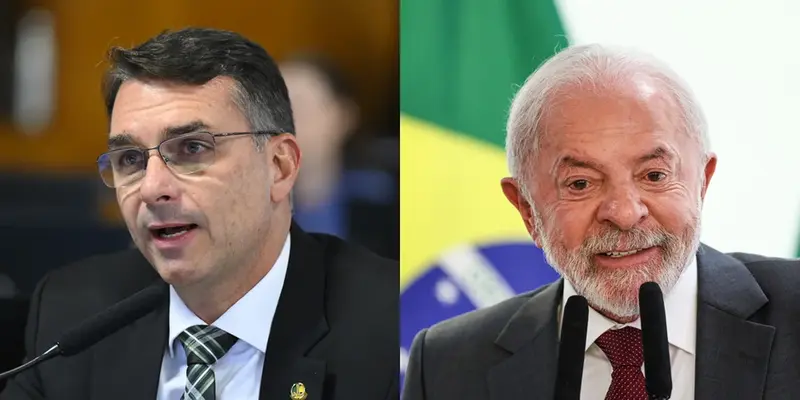
Lula won the October 25 runoff against senator Flávio Bolsonaro with 51.79% of valid votes, compared with 48.21% for his rival, according to Brazil’s Superior Electoral Court. The result gives the Workers’ Party leader another four-year term, extending his presidency through 2031.
Messages from Quito, Havana and Montevideo
One of the first public exchanges came with Daniel Noboa, Ecuador’s president. Noboa congratulated Lula and said the region has shared enemies, shared challenges and much to gain when governments work together. Lula replied that dialogue and cooperation between Brazil and Ecuador are fundamental for regional integration, security and sustainable development.
Miguel Díaz-Canel of Cuba sent his own congratulations, calling Lula’s win a historic victory that would preserve Brazil’s path of peace, sovereignty and social justice. Lula answered that Brazil was celebrating a victory of democracy and regional integration, and he reaffirmed solidarity with the Cuban people and their right to peace, dignity and development.
Uruguay points to a wider agenda
Uruguay’s president, Yamandú Orsi, also moved quickly to salute Lula. Orsi called to congratulate him on Sunday night, and Lula later thanked him publicly for the call. In his reply, Lula said the election result represented a victory for democracy, multilateralism and peace, and that the two countries would keep working together for greater social justice and regional integration with shared prosperity.
The Brazilian and Uruguayan leaders last met in person on September 21 in New York during the UN General Assembly. On that occasion, they discussed border integration, agricultural trade, regulation of online betting, and efforts against political extremism and disinformation, while also backing plans for a binational bridge over the Yaguarón River.
What the victory signals for the region
The early responses show how Lula’s victory is already being treated as more than a national result. The messages from neighboring and allied governments focused on democracy, cooperation and integration, with each leader using the moment to underline areas where their countries want Brazil engaged.
For Lula, the post-election diplomacy has been immediate. He has used public replies on X to present the runoff outcome not only as a continuation of his own leadership, but as a call for regional cooperation and integration.

Comments
To comment, sign in or create an account. Sign in Create an account
No comments yet.