

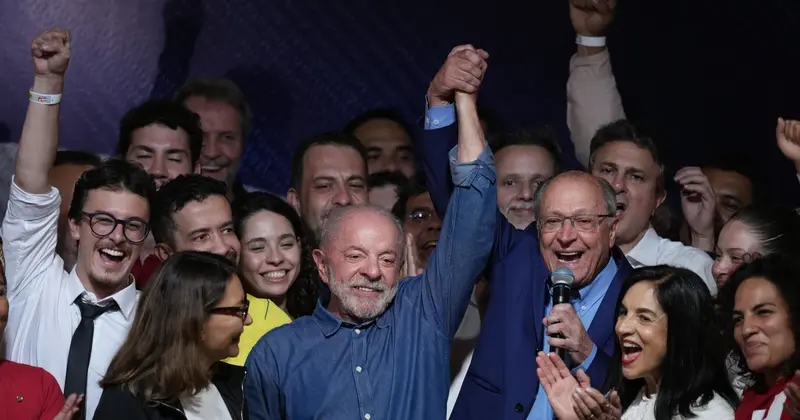
Supreme Court Justice Cristiano Zanin ordered a two-hour extension to voting in Brazil’s presidential runoff on October 25 after Luiz Inácio Lula da Silva’s campaign cited transport failures in several states. Flávio Bolsonaro, the senator and son of former president Jair Bolsonaro, also sought more time in municipalities in four states hit by heavy rain and storms.
The new closing time was 7 pm local time. Lusa reported that the extension applied only to polling stations still open when the ruling was issued, while some places had already closed before the notice arrived.
Bus shortages in Salvador drew the sharpest response
In Salvador, the capital of Bahia, the state consumer watchdog Procon said 544 buses were parked in five depots after voters complained that vehicles were being held back. The state government confirmed the figure, saying the depots were split between Barros Reis and the city’s suburbs.
Officials said the total included 55 buses at one OT Trans depot, 118 at OT Trans G3, 55 at Integra Plataforma Barros Reis, 142 at Integra Plataforma Suburbana and 174 at another OT Trans yard. Bahia’s regional electoral court ordered the city’s full bus fleet restored immediately, with weekday-level service and free fares kept in place.
The court also ordered federal police to arrest Salvador mobility secretary Pablo Souza. Lusa said the order rested on suspicions that he had held buses back to hurt Lula, though the sources do not say whether he was arrested.
Political pressure spread beyond Bahia
The Workers’ Party said transport problems affected voters in several states and asked the courts to regularize service. In São Paulo, party official Kiko Celeguim said crowded bus stops and a reduced fleet had made it harder for people to get to polling places, and that the party first sought a return to normal service before pursuing tougher measures.
He called the conduct of public managers irresponsible and said they were using public resources for partisan interests. Celeguim said the effect on the result could only be judged after total abstention figures were known.
Bahia governor Jerônimo Rodrigues said state police and the security department were available to help identify officers with a bus-driving licence if needed. Salvador’s city hall said it had ordered buses released from garages, including vehicles carrying stickers it considered unlawful campaign advertising.
Lula later secured a fourth term
Once all votes were counted, Brazil’s electoral court confirmed that incumbent President Luiz Inácio Lula da Silva had defeated Flávio Bolsonaro in the runoff. Lula performed strongly in Brazil’s northeast and north, while Bolsonaro led in three of the country’s five regions in the first round on October 4.
The first round had left Bolsonaro more than 2.2 million votes ahead of Lula. By the end of the runoff, Lula had overtaken him and secured a fourth term.

Comments
To comment, sign in or create an account. Sign in Create an account
No comments yet.