
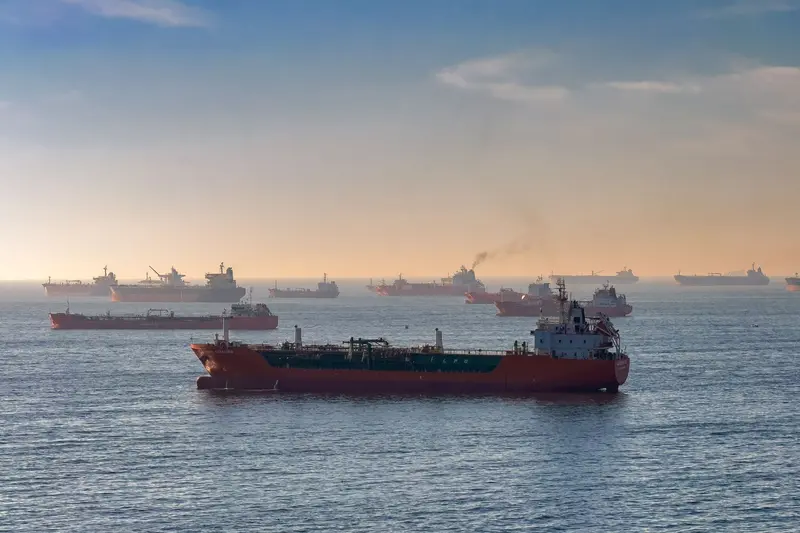
Syria has begun transporting imported gasoline to Iraq via the Baniyas oil terminal on the Mediterranean coast, the Syrian Petroleum Company (SPC) reported, citing the state news agency SANA. The operation is being carried out under a renewable three-month agreement designed to ensure energy supplies amid disruptions to maritime traffic through the Strait of Hormuz.
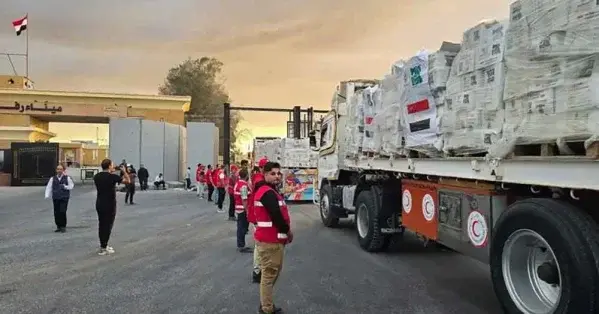
The first shipment consisted of 57 tanker trucks. On Thursday, the vehicles began passing through the Al-Tanf border crossing, which connects the Syrian route to Iraq. Syrian officials stated that they plan to gradually increase shipments to approximately 200 tanker trucks per day.
The parties to the agreement perform different roles. The Qatari company UCC purchases gasoline from international suppliers, while the Syrian side transports the fuel through its territory in exchange for a transit fee. SPC representative Ahmed Kubbaji stated that the operation strengthens Syria’s role as a corridor for the import, export, and transportation of energy resources and other materials between countries in the region.
New Flow Through Baniyas
According to the Syrian official, two ships carrying gasoline have already been unloaded in Baniyas. Eight loading stations are in operation at the terminal: they allow eight trucks to be loaded simultaneously and operate around the clock. After loading, the fuel is transported by road to Iraq.
These gasoline shipments add eastbound traffic to the corridor, which was previously used in the opposite direction as well. Following disruptions to shipments through the Strait of Hormuz, Baghdad began transporting crude oil by truck through Syrian territory. According to Kubbaji, between 1,000 and 1,200 Iraqi oil tankers pass through Syria daily.
The overland route does not replace maritime transport in terms of volume. Its operation depends on the capacity of roads, border crossings, and terminals; however, it provides Iraq with an additional means of delivering oil and fuel amid the instability of regional shipping. A previously published description of the corridor stated that it connects the Iraqi oil-producing region around Kirkuk with Baniyas, and that diesel fuel and gasoline are also transported in the opposite direction.
Plans Beyond Gasoline
The SPC is considering the possibility of using other border crossings to transport additional cargo, including coal and sulfur. So far, these are only plans. At the same time, Syria is preparing the Arab Gas Pipeline toward the Syrian-Jordanian border and its branch line to Lebanon. Kubbaji stated that the work could be completed within 15 days.
According to him, negotiations are ongoing regarding the restoration of the Kirkuk–Baniyas oil pipeline, involving Chevron, Total, and UCC. No agreement on this project has been announced, nor has a date been set for a decision.
According to an earlier description of the corridor, road shipments began in April, and approximately 2.1 million metric tons of Iraqi fuel have been transported by road since then. However, the publication noted that this figure had not been independently verified. It also stated that the largest tanker trucks can hold up to 50,000 liters, while many vehicles can hold up to 23,000 liters. The route from Basra can be as long as 1,500 kilometers.
Syria and Iraq also discussed the longer-term restoration of the oil pipeline connection between Kirkuk and Baniyas. Previous plans mentioned a potential capacity of 2 million barrels per day and a construction period of 30 months; however, the current negotiations have not yet resulted in a confirmed agreement, capacity figures, or an implementation schedule.



Comments
To comment, sign in or create an account. Sign in Create an account
No comments yet.