

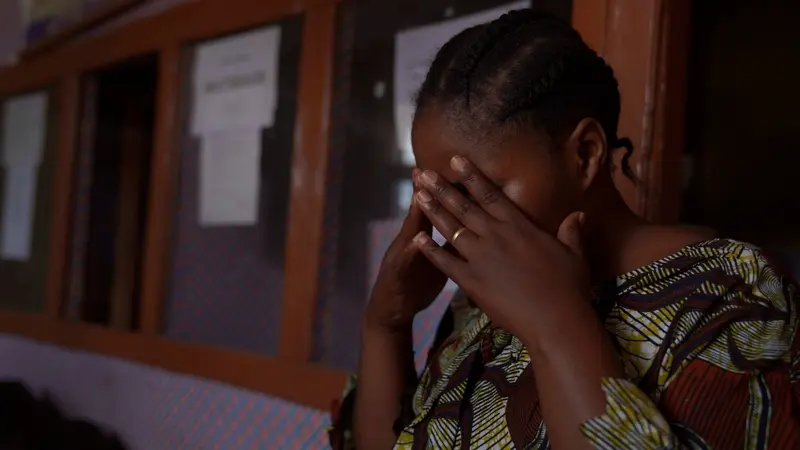
Ebola is leaving families in eastern Democratic Republic of Congo struggling with grief, fear and rejection from their neighbours. The outbreak has infected 9,600 people and spread to eight provinces, according to The Associated Press. Mental-health workers say it is worsening the distress of communities already affected by years of conflict.
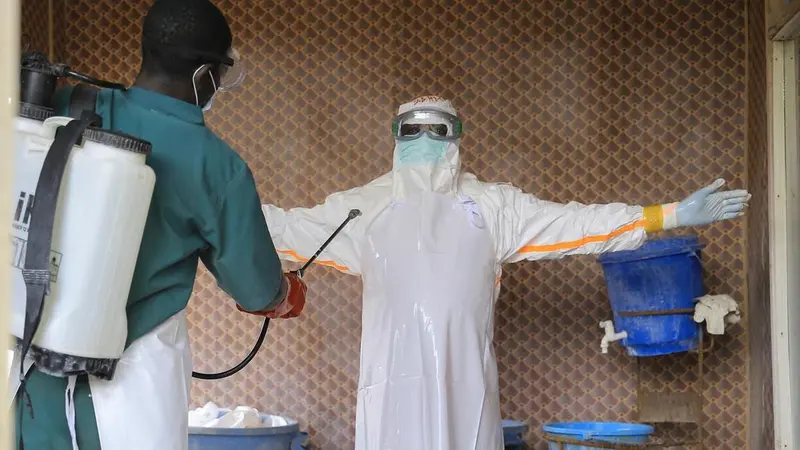
The outbreak is caused by the rare Bundibugyo virus, for which there is no approved vaccine or drug. The World Health Organization said its spread continued to outpace efforts to track infections and slow transmission.
A family’s losses and isolation
In Bunia, the capital of Ituri province, a 34-year-old schoolteacher sought mental-health treatment after five relatives contracted Ebola. Her brother and his wife died in July at a treatment centre in Ituri, the outbreak’s epicentre. The other three infected relatives survived.
The teacher spoke to AP anonymously because she feared stigma. She said neighbours stayed away when her relatives began showing symptoms. Ebola responders later took the sick family members to a clinic and disinfected their home.
Grief and stress led her to spend two months at the Samelo mental-health facility in Bunia. She has since been discharged but returns for follow-up visits. She said she felt better, although the loss remained painful and fear persisted within her family and neighbourhood.
Mental-health care struggles to keep pace
Samelo said it had received up to 350 patients, an increase it attributed to Ebola. Experts said the wider medical response had concentrated on treating infections and containing transmission, with little or no attention to psychological care.
Mirella Riccardi, a mental-health specialist with Doctors Without Borders, said Ebola had worsened conditions for vulnerable people. Many areas were already suffering from war, crisis and severe malnutrition, she said.
The WHO said psychological effects from past Ebola outbreaks could last well beyond the immediate emergency. These include anxiety and mood disorders, made worse by prolonged grief and discrimination.
Responders said the risk of transmission also restricts families’ contact with patients, even after death. Those restrictions can prevent relatives from observing their preferred burial rites and make it harder to find closure.
Many infections remain outside contact tracing
This is Congo’s 17th Ebola outbreak. Its spread has coincided with an escalation in the decades-long conflict between government forces and rebels in the east. Population movements, violence, mistrust and poor working conditions for frontline health workers have hampered efforts to contain it.
Government data from early October showed that more than 70% of new cases involved people outside known contact lists. At least 60% of deaths occurred outside treatment centres.

Comments
To comment, sign in or create an account. Sign in Create an account
No comments yet.