
Iran is prepared for what its foreign minister called a “doomsday war” with the United States but is still seeking a diplomatic settlement, Abbas Araghchi said on Sunday. His remarks came after President Donald Trump publicly rejected an Iranian proposal to reopen the Strait of Hormuz and end the confrontation.
“We are totally prepared for the resumption of the war,” Araghchi said in an interview with NBC News. “We stand firm against any new aggression, even if it is an apocalyptic war. At the same time, we are ready for the diplomatic path.” He said mistrust of Washington remained the main obstacle to progress, but that Iran was continuing to pursue diplomacy because it did not want to lose any opportunity for peace.
Iran presented the proposal last week on the sidelines of the UN General Assembly in New York. It was transmitted to Washington through Qatar and called for the strategic waterway to reopen within seven days, with nuclear talks to resume. In return, Tehran sought an end to the US naval blockade of Iranian ports, relief from sanctions on Iranian oil exports, the ability to resume oil sales and the release of Iranian assets frozen abroad. Earlier accounts put the value of the assets at about $12 billion.
Araghchi said Iran would not retreat from its conditions. “Our conditions are clear, and any step toward reopening the strait is linked to meeting these conditions,” he said, according to Iran’s Tasnim news agency. He added that the demands were not new and had been included in a memorandum of understanding agreed by Iran and the United States in June.
Trump rejects proposal but leaves talks open
Trump said he had rejected the proposal, arguing that Iran wanted the strait reopened immediately because it was “losing big.” In an interview with Axios, he said he expected more talks with Tehran during the week beginning September 28.
“They want to make a deal, but it’s not the deal I want to make,” Trump said. He also left open the possibility of renewed airstrikes, saying he was “always thinking about” it. US Ambassador to the United Nations Mike Waltz defended the rejection, saying Washington could not accept a deal that gave Iran access to billions of dollars in frozen funds while lifting the blockade and sanctions.
Araghchi said Tehran had not yet received an official notification of the rejection through mediators. He and his delegation have remained in New York after the General Assembly meetings, possibly until Wednesday, while indirect contacts between Iran and the United States continue. Tehran says Trump’s public statement was only an initial reaction and that it is waiting for the final US position before deciding its next steps.
Hormuz remains at the center of the dispute
The Strait of Hormuz remains the main point of leverage in the negotiations. The waterway normally carries between one-fifth and one-quarter of globally transported oil, according to cited reports. Its closure after the joint US-Israeli operation against Iranian nuclear facilities on February 28 drove up crude prices and left nearly 2,000 vessels stranded.
A Pakistan-mediated ceasefire took effect on April 8 after 39 days of hostilities, but naval confrontations in and around the strait have continued, according to reports. The United States accuses Iran of violating an earlier understanding by attacking international shipping, while Tehran says Washington failed to honor its commitments.
Iranian military spokesman Abolfazl Shekarchi warned that Iran could use “new military technologies” if the United States or Israel reopened the conflict. He said Iranian missiles and drones were now more advanced and powerful than during the Israeli and US offensives of June 2025 and February 2026, and that Tehran had “surprises” for its enemies.
Other regional tensions continue
Iran’s Revolutionary Guard said it had captured a second US Remus 600 unmanned submarine in the Strait of Hormuz during a coordinated intelligence and electronic-warfare operation. The claim was not confirmed by the United States.
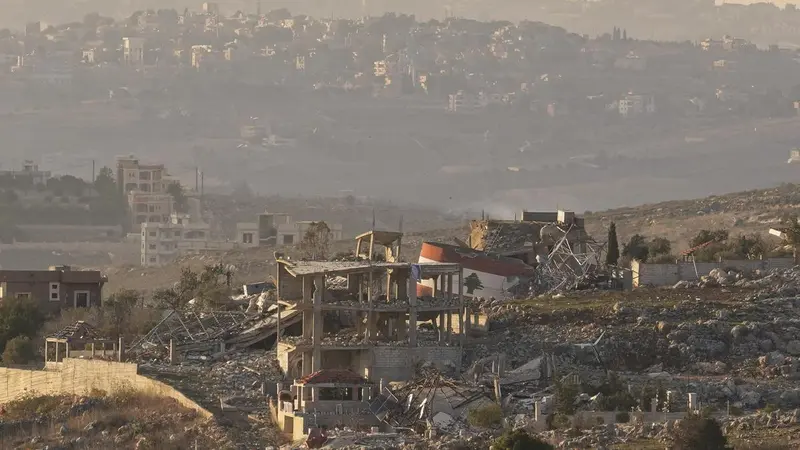
Israel said it launched new attacks against southern Lebanon, including two strikes on a shopping centre, after accusing Hezbollah of sending an explosive drone against Israeli troops in the area. Israel said there were no casualties in the drone attack and that it had targeted sites used to launch drones and anti-tank missiles. The cited account did not report casualties from the Israeli strikes.
Iranian authorities denied that Tehran planned military reprisals against countries that suspended flights to Iran because of US sanctions. The National Security Council said Iran could consider non-military reciprocal measures against some airports if necessary.
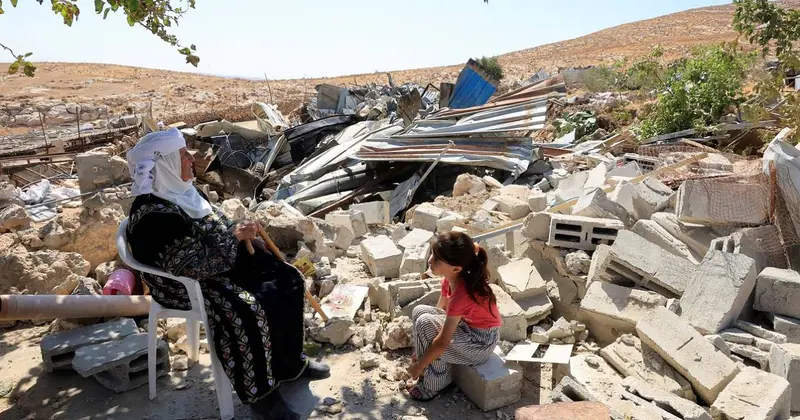
In the occupied West Bank, Israeli Defense Minister Israel Katz ordered a general closure from September 27 until the end of the Sukkot holiday on Saturday night. The order bars Palestinian workers from entering Israeli settlements in the territory. The Palestinian Foreign Ministry criticized Finance Minister Bezalel Smotrich after he called for expanded military action in the West Bank and accused him of advocating escalation, annexation and displacement.

Comments
To comment, sign in or create an account. Sign in Create an account
No comments yet.