

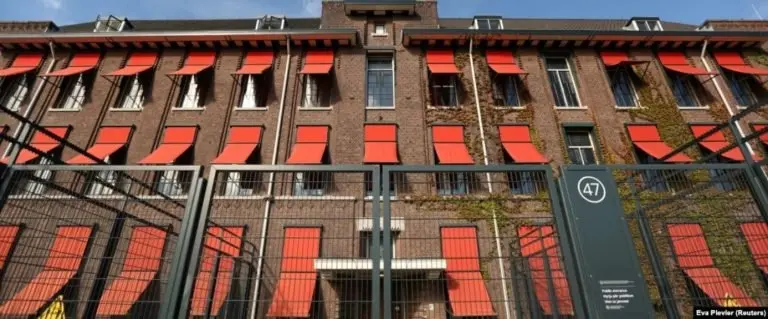
Kosovo’s parliament approved amendments late on October 6 that narrow the powers of the Kosovo Specialist Chambers. The changes restrict the Hague-based court’s jurisdiction, limit prison sentences to 15 years and provide for transferring cases to Kosovo.
The opposition Democratic Party of Kosovo, known as PDK, initiated the amendments. Parliament completed their passage in a second-reading vote shortly before midnight.
Changes restrict which crimes the court can hear
Under the amendments, as described by an Albanian-language news outlet, the court’s jurisdiction would focus on specific organ-trafficking allegations. These are allegations contained in a 2011 report by the Parliamentary Assembly of the Council of Europe.
The court would handle alleged crimes directly connected to extracting or illegally trafficking human organs, tissues or cells. Certain killings, torture and cruel or inhuman treatment in specific detention sites named in the report would remain within its remit only when directly linked to alleged organ-removal operations. Other war crimes and crimes against humanity without that connection would fall outside its jurisdiction.
The amendments also narrow the period covered to July 1, 1999, through December 31, 2000. The previous period began in January 1998. Territorial jurisdiction would be limited to alleged crimes committed within Kosovo.
The 15-year sentencing ceiling is linked to the principle that the more favourable criminal law applies to a convicted person. Cases outside the revised jurisdiction would move to Kosovo’s regular courts, along with their files and evidence. Trial panels would have 30 days to reassess jurisdiction in each case.
September convictions precede the vote
The amendments followed the court’s September 16 sentencing of four former Kosovo Liberation Army leaders for war crimes. Hashim Thaçi, Kadri Veseli, Jakup Krasniqi and Rexhep Selimi received prison terms totalling 81 years. All four denied the charges and said they would appeal.
How the amendments would affect those sentences or any appeal proceedings remains unclear. The Specialist Chambers sit in The Hague but form part of Kosovo’s judicial system, with foreign judges and prosecutors.
EU and Germany raise concerns
EU spokesperson Christian Wiegand said the amendments conflict with Kosovo’s international obligations. He called on Kosovo to protect the court’s independence and uphold commitments to justice for victims from all communities. The German Embassy in Pristina also expressed deep concern and supported the EU’s position.
PDK lawmaker Përparim Gruda said Kosovo was not violating its international obligations and that the court would not close. Kosovo’s War Veterans Organization said the court had departed from its original purpose and practised selective justice against the Kosovo Liberation Army and its fighters.
Under commitments arising from a 2014 exchange of letters with the EU, Kosovo pledged to consult the bloc on changes affecting the court’s mandate. It also pledged to maintain the court and its prosecutor’s office until their relevant investigations and proceedings were completed.


Comments
To comment, sign in or create an account. Sign in Create an account
No comments yet.