
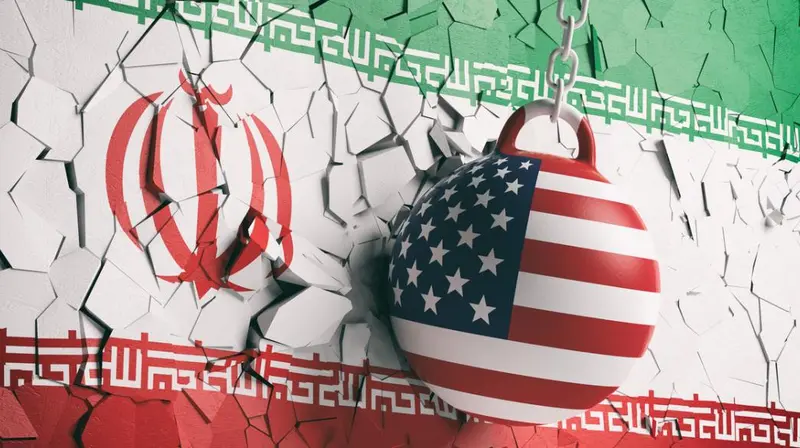
The United States warned foreign financial institutions on October 5 that business with Iran or its banking sector could expose them to sanctions. The Treasury warning adds to Washington's campaign to isolate Iran economically, which intensified in late August.
Treasury calls for an immediate halt to transactions
The US Treasury said institutions continuing to transact with sanctioned Iranian financial institutions could face measures at any time. It said those measures could come without advance notification and called for an immediate end to the activities and relationships.
The warning addressed financial institutions outside the United States that maintain dealings with Iran. Its specific call to terminate transactions concerned relationships with Iranian financial institutions already subject to sanctions.
The Treasury also said Iran's government uses banking channels to bypass US sanctions. It called on international financial institutions to identify and avoid those channels, alongside ending their dealings with sanctioned Iranian institutions.
Broader sanctions target banks and industry
Since late August, Washington has increased its efforts to cut Iran off economically. It has warned allies that continued transactions with the Iranian government could bring secondary sanctions—measures directed at those doing business with it.
The Treasury has also announced new sanctions covering Iranian finance, cryptocurrencies and railways. AFP separately listed the automotive sector and manufacturing, while Greek financial news outlets listed road transport and industry.
The department has also taken measures against two banks, one based in the United Arab Emirates and another in Turkey. It said the action concerned their alleged assistance to authorities in Tehran, Iran's capital.
The banks' identities and the specific measures taken against them remain unknown.
Economic pressure follows military attacks
The sanctions campaign follows a large-scale attack launched by the United States and Israel against Iran on February 28. The attack killed Iranian leaders, and Washington demanded an end to all activity within Iran's nuclear energy program.
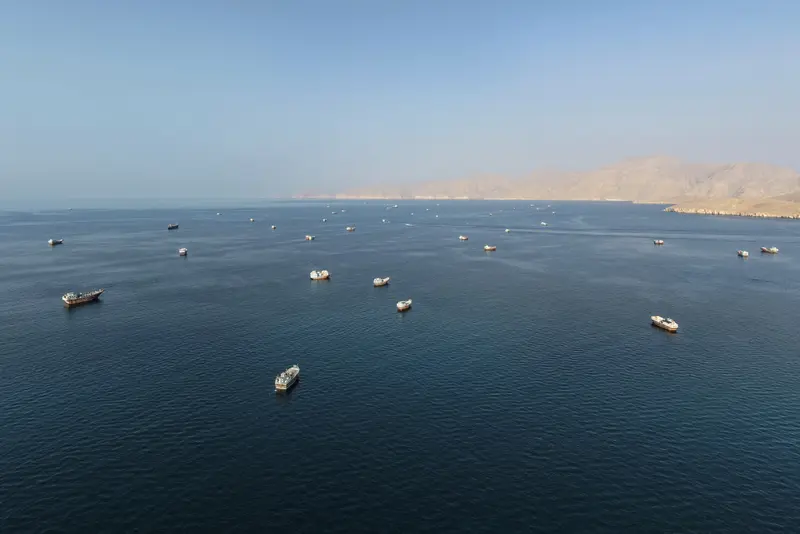
Iran retaliated by targeting US allies in the Gulf and closing the Strait of Hormuz, a key trading waterway. The disruption drove sharp increases in energy and fertilizer prices.

Comments
To comment, sign in or create an account. Sign in Create an account
No comments yet.