

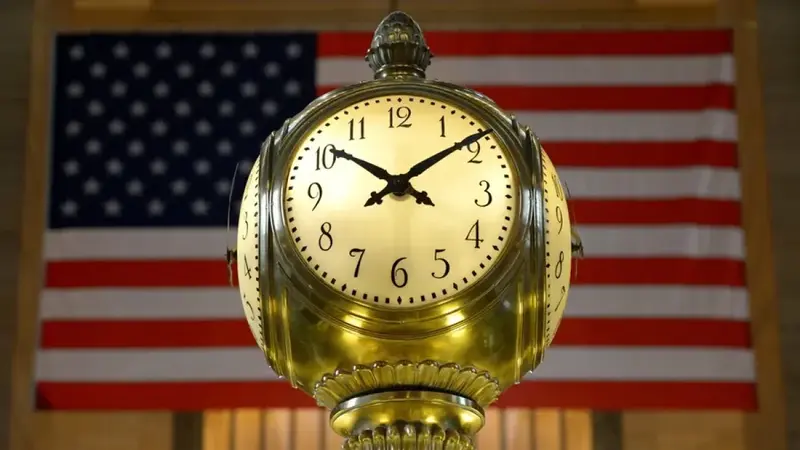
Most of the United States will turn clocks back one hour at 2:00 a.m. local time on November 1, 2026, ending daylight saving time and returning to standard time. The switch will give most people brighter mornings and earlier sunsets, but it will not apply in Hawaii, most of Arizona or several U.S. territories.
A familiar switch, but not everywhere
The change happens city by city at local 2:00 a.m., not in one national moment. In jurisdictions that observe daylight saving time, clocks move from 2:00 a.m. back to 1:00 a.m., repeating the hour between 1 and 2 a.m. and effectively adding an extra hour to the night.
The federal rule dates to the Uniform Time Act of 1966, which left Congress in charge of changes to the national time system. The current schedule advances clocks in March and sends them back in November.
Hawaii does not observe daylight saving time, and most of Arizona stays on standard mountain time year-round. The Navajo Nation is an exception within Arizona and does observe the seasonal change, which is why location alone does not always determine whether a community will shift its clocks.
Congress has not moved on permanent daylight time
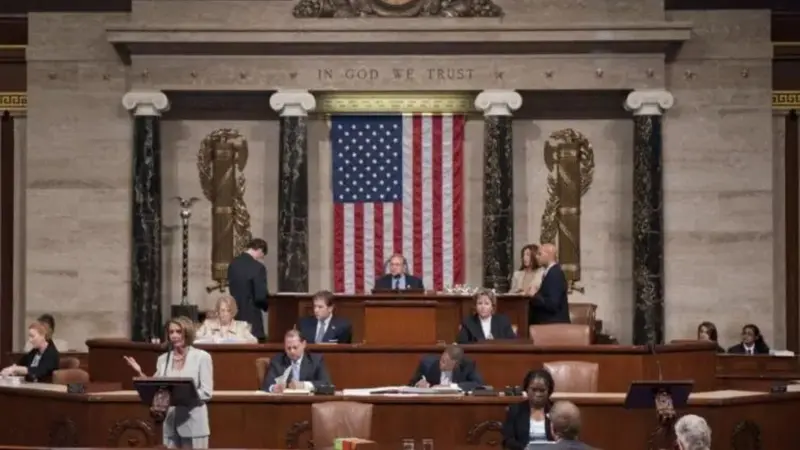
The clock change has revived the long-running debate over the Sunshine Protection Act, a bill that would make daylight saving time permanent and end the twice-yearly adjustments. The U.S. House passed the latest version, H.R. 139, on July 14 by 308 votes to 117, according to Congress.gov. The measure was then sent to the Senate Commerce, Science and Transportation Committee, where it has not advanced.
That matters because the Senate is currently the barrier to a change that would affect every state that follows the seasonal schedule. States may opt out of daylight saving time, but under current law they cannot create permanent daylight saving time on their own.
The bill has supporters and opponents. The bill would make daylight saving time permanent. Critics warn that a permanent summer schedule would shift mornings into darkness during the winter, putting schoolchildren who walk or wait for the bus at risk.
Trump presses lawmakers as scientists warn about dark mornings
President Donald Trump has publicly pushed for the measure. He said on Truth Social that people in the country want to stop changing their clocks and accused the Senate of letting the bill die. He also targeted Senator Tom Cotton, the Arkansas Republican, by publishing Cotton’s phone number and urging Arkansans to call him in support of the bill.
Opponents cite a University of Washington analysis that estimated permanent daylight saving time could put thousands of primary and secondary school students at unnecessary risk during morning commutes, because classes would begin before sunrise in many parts of the country.
For now, the practical question for most Americans is simpler: on November 1, the clocks go back. The political fight over whether that should remain a twice-yearly ritual is still waiting in the Senate.



Comments
To comment, sign in or create an account. Sign in Create an account
No comments yet.